
Inner Trackers Journal
This journal documents the making of Tracking Triggers: From Reactivity to Responsiveness, sharing excerpts, diagrams, and questions as the book takes shape.
If you're part of the Inner Trackers community, you'll receive email updates when new posts go live. If you'd like to join the Inner Trackers and read the full manuscript before launch, sign up here.
For everyone else: welcome. You're invited to read along as this work develops.
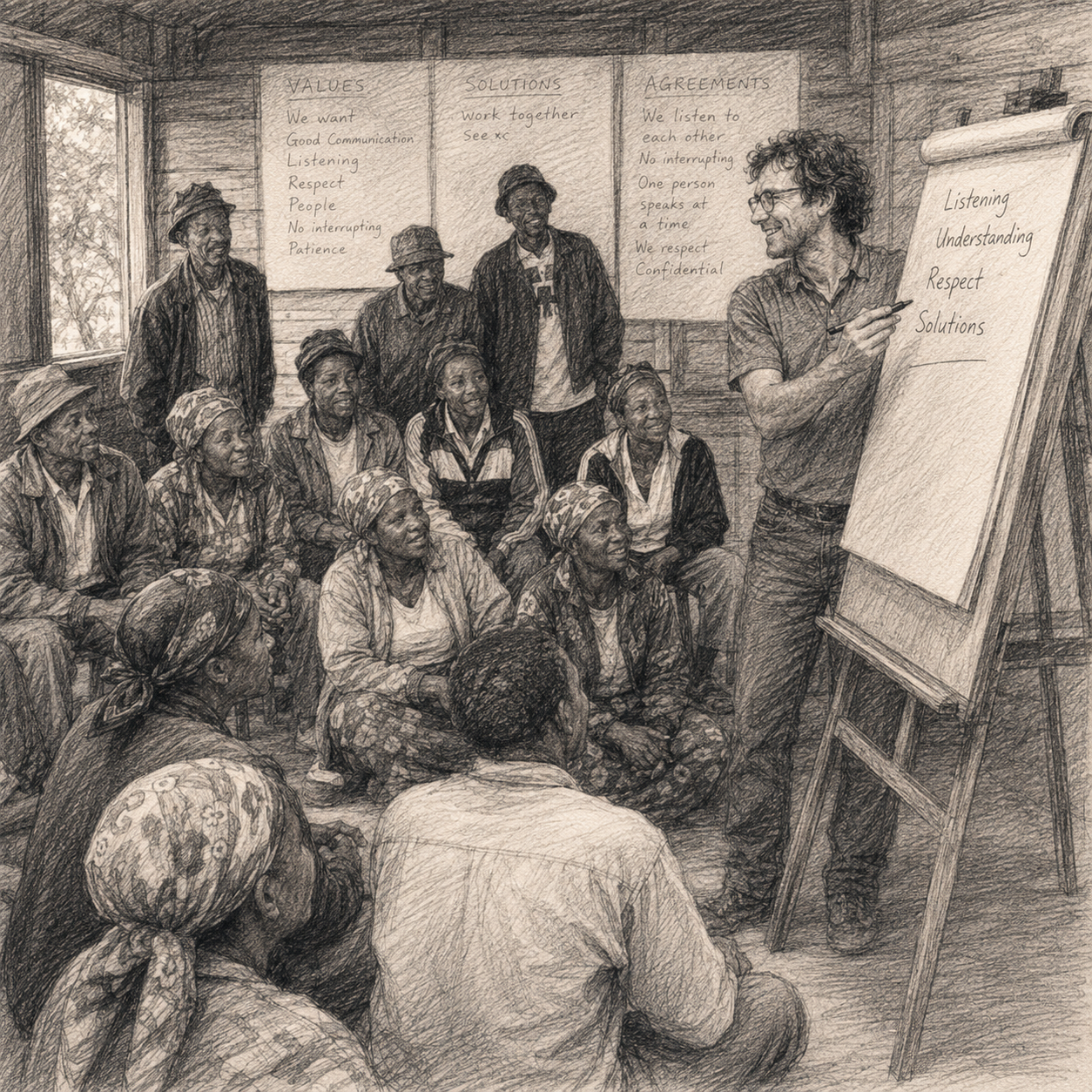
The Track Is Not the Animal and the Trigger is not the Wound
Where I saw stones and grass, Thomas saw a trail. He never caught the gemsbok, and the afternoon lost nothing for it. What I learned watching him is what I keep learning about triggers: the first sign you find is not the thing itself.
The Images That Open Each Chapter
A gemsbok standing in open country. Lion tracks crossing sand. A watering hole where every feeling comes to drink. A loaf of bread with matches in it for candles. Tracking Triggers has thirteen illustrations, one for the introduction, one for each chapter, and one for the conclusion. Here they are together for the first time, each beside the chapter it opens and the voice that opens it
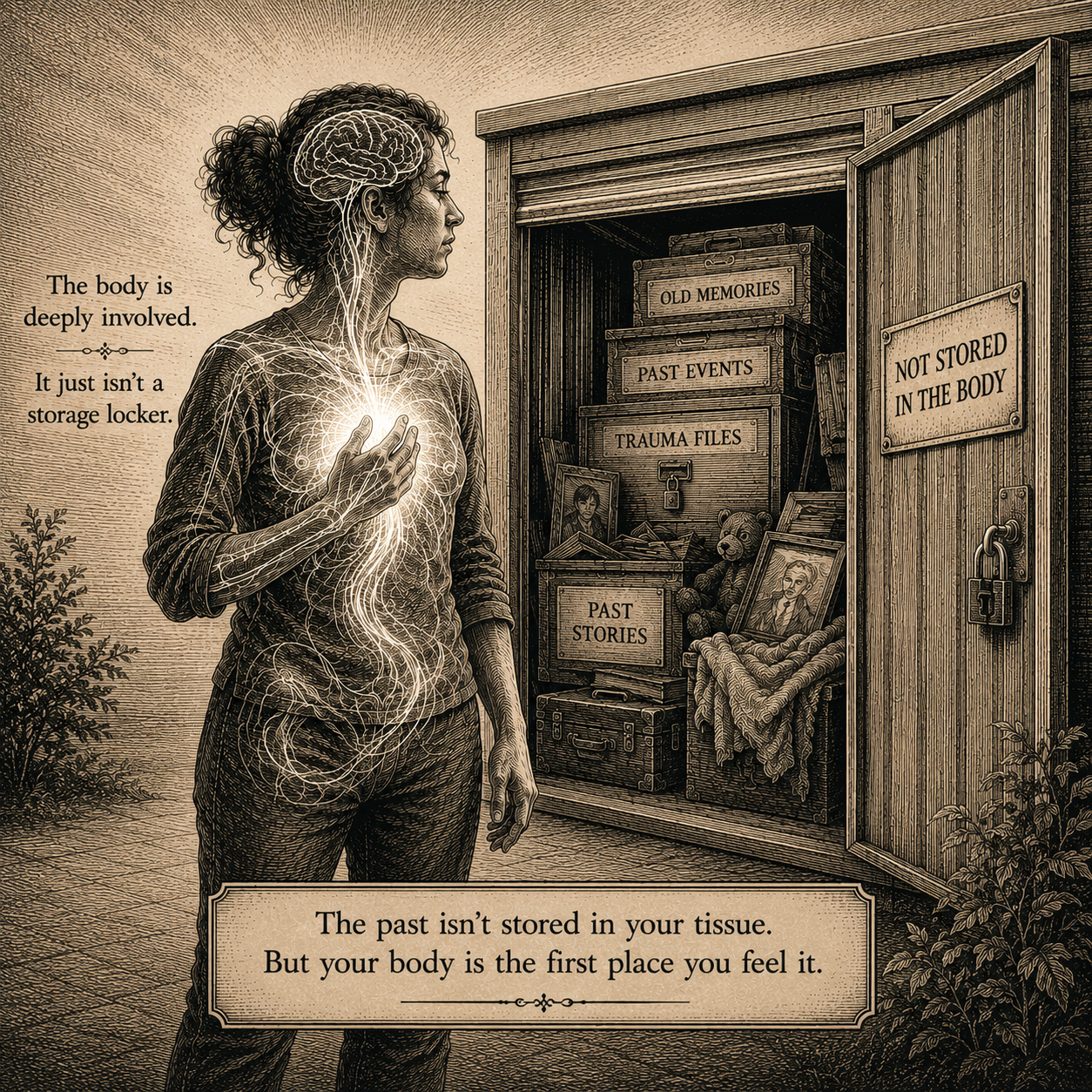
The Body Is Deeply Involved. It Just Isn't a Storage Locker.
The past isn't stored in your body like a box in a locker. But your body is the first place you feel it. Phantom limb pain proves how: people feel real, vivid pain in a leg that's gone, because the pain was never in the leg. It's in what the nervous system still expects. Your triggers work the same way. The body isn't a filing cabinet. It's the living edge of a system that learned something once and can learn something new.
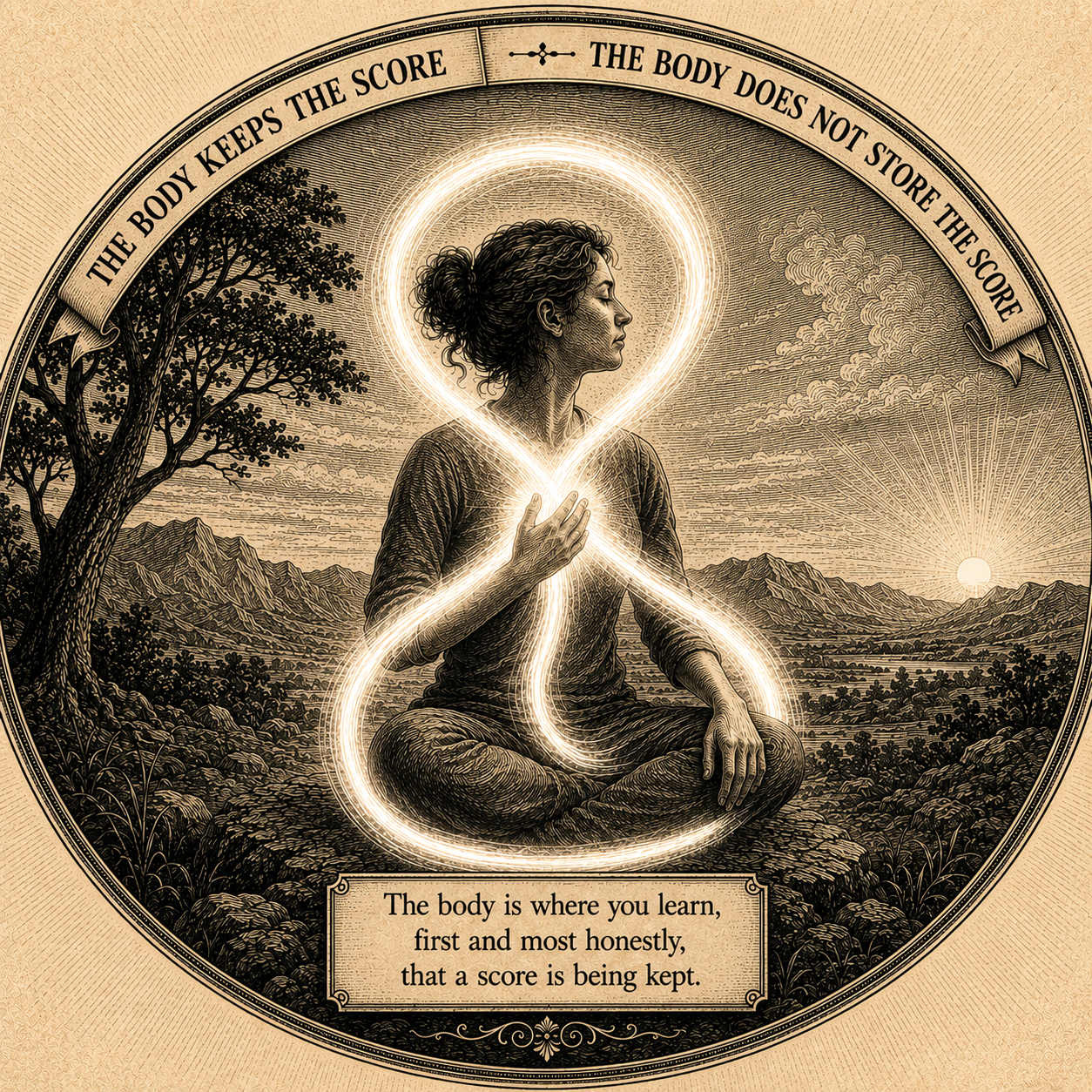
Does the Body Keep the Score?
We assume that if the body keeps the score, it must be storing it somewhere, in the muscle, in the fascia, waiting to be released. But keeping score has never meant that. It means having the account. Your body carries the record and hands it to you the instant an old debt is called. It brought the receipts. What it didn't do is lock the memory in your tissue, because the body and brain were never two systems to begin with. They're one. And the body is simply where you notice it first.
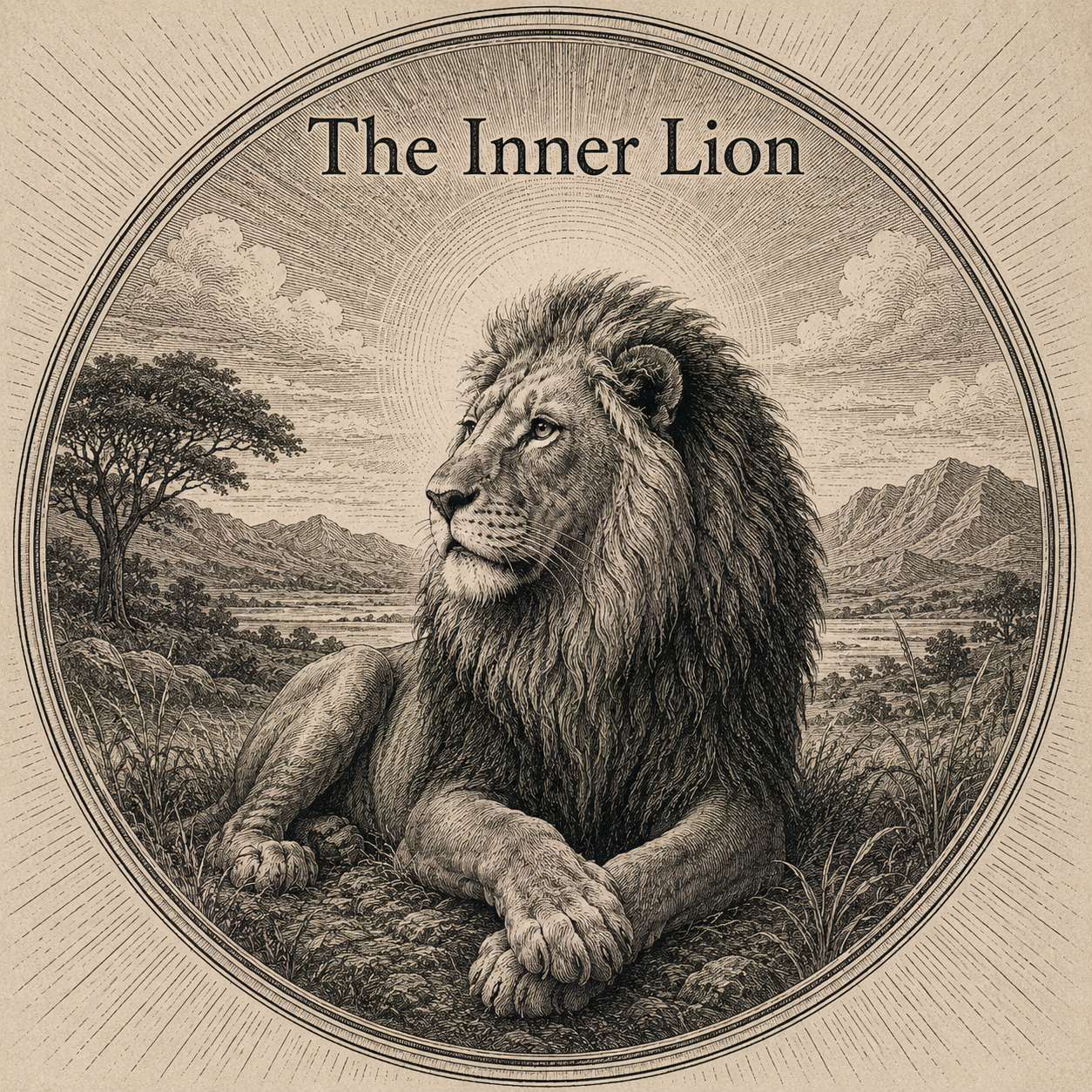
Why the Lion?
A friend objected that lions mean aggression. This is the reply, and the story of why the lion sits at the heart of Tracking Triggers: that its real power is presence, not the roar, and that it was the author's long before any book or framework named it.

Honor the Story, Follow the Track
Two familiar teachings about the stories we tell ourselves pull in opposite directions. One says your story is a prison you should release. The other says your story is a victory you must defend. Both carry something true. Both, taken too far, can cause harm. This piece names a third stance, the tracker's stance, which honors the story as a real report from a particular lensed perceiver, and then follows the track toward what else is present. It also traces three positions people occupy with their own stories, victim, survivor, and tracker, and explores what becomes possible when two trackers find themselves in the same room.
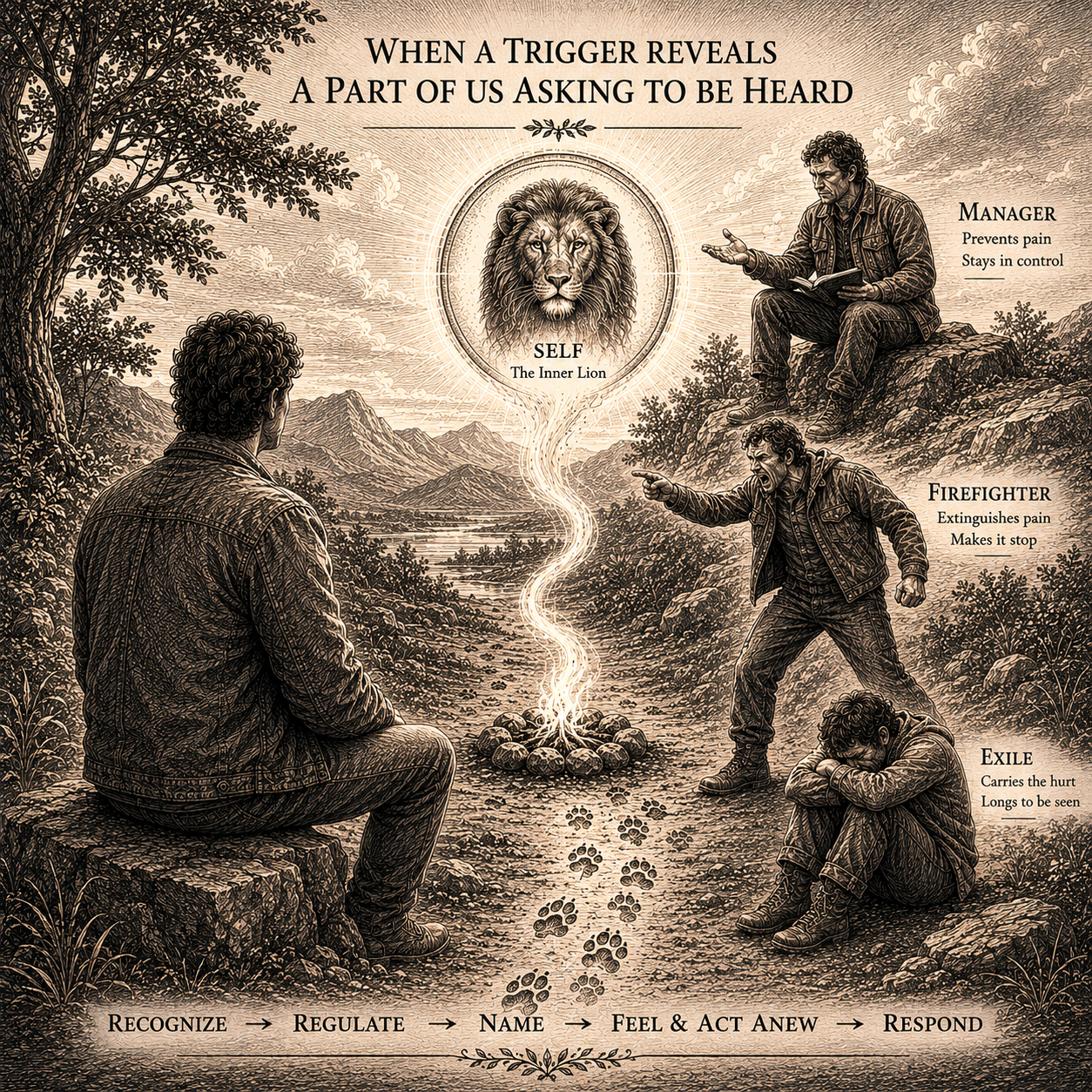
When a Trigger Reveals a Part of Us Asking to Be Heard
We rarely think "anger has arrived." We think "I am angry." Drawing on Richard Schwartz's Internal Family Systems and the five movements of the Fifth Way, this article reframes being triggered not as a failure but as a protective part doing its job, and shows how recognizing, regulating, naming, and responding can return us to the Inner Lion: the steady self beneath the reaction.
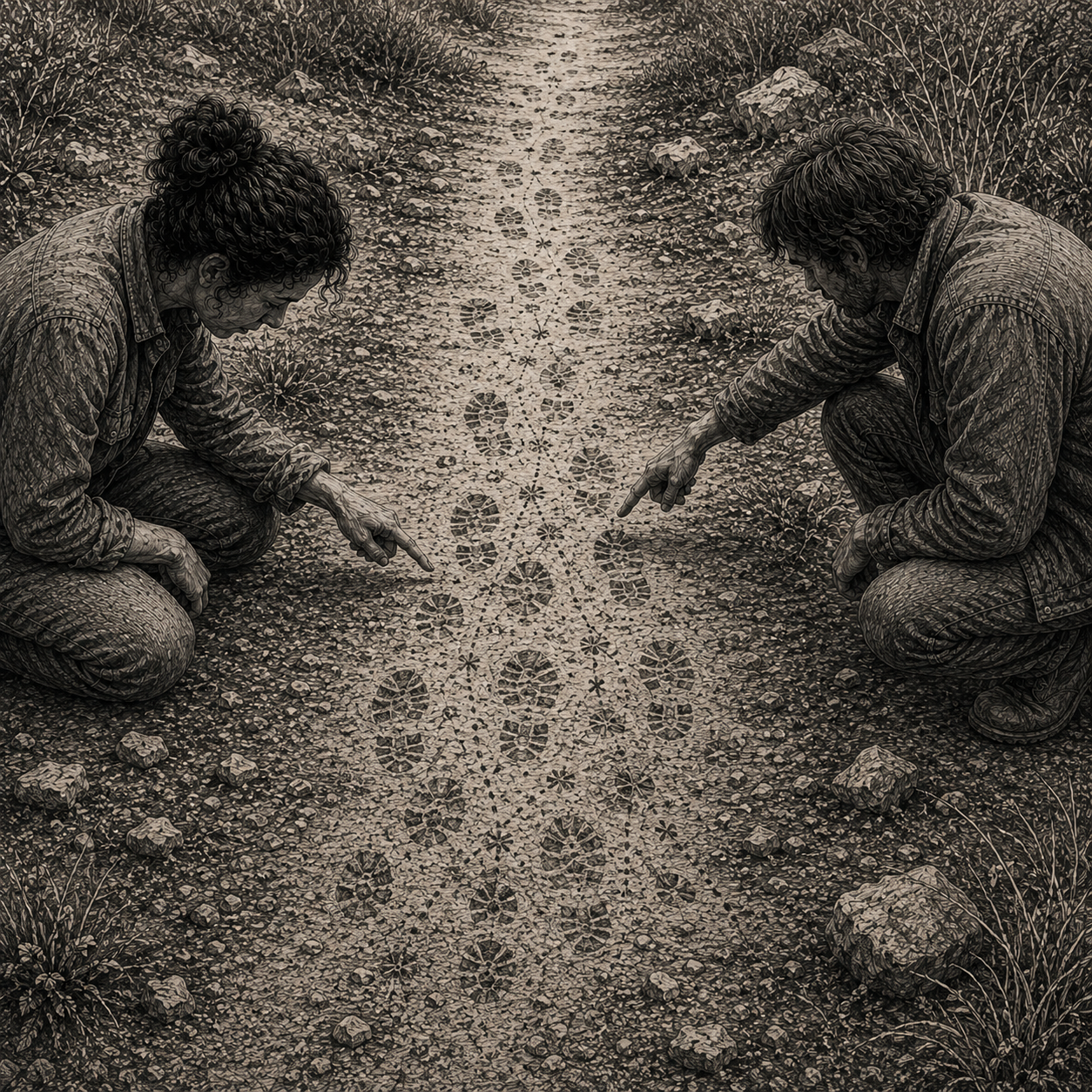
The Stitched Account
The strangest revision of memory doesn't take years. It can happen in seconds, in the middle of an argument, when two people already hold different records of the same ten minutes. Neither is lying. Memory is not a recording we play back but an account we stitch together from fragments, and when a moment carries an old charge, the stitching bends, toward soothing the echo, sometimes toward blaming the other so we feel justified and can force the pain shut. None of it is malice. But the fourth piece in this series argues that the absence of malice is not the absence of responsibility. The record bends on its own. The work, the tracker's work, is to test the convenient version against what the track actually shows.
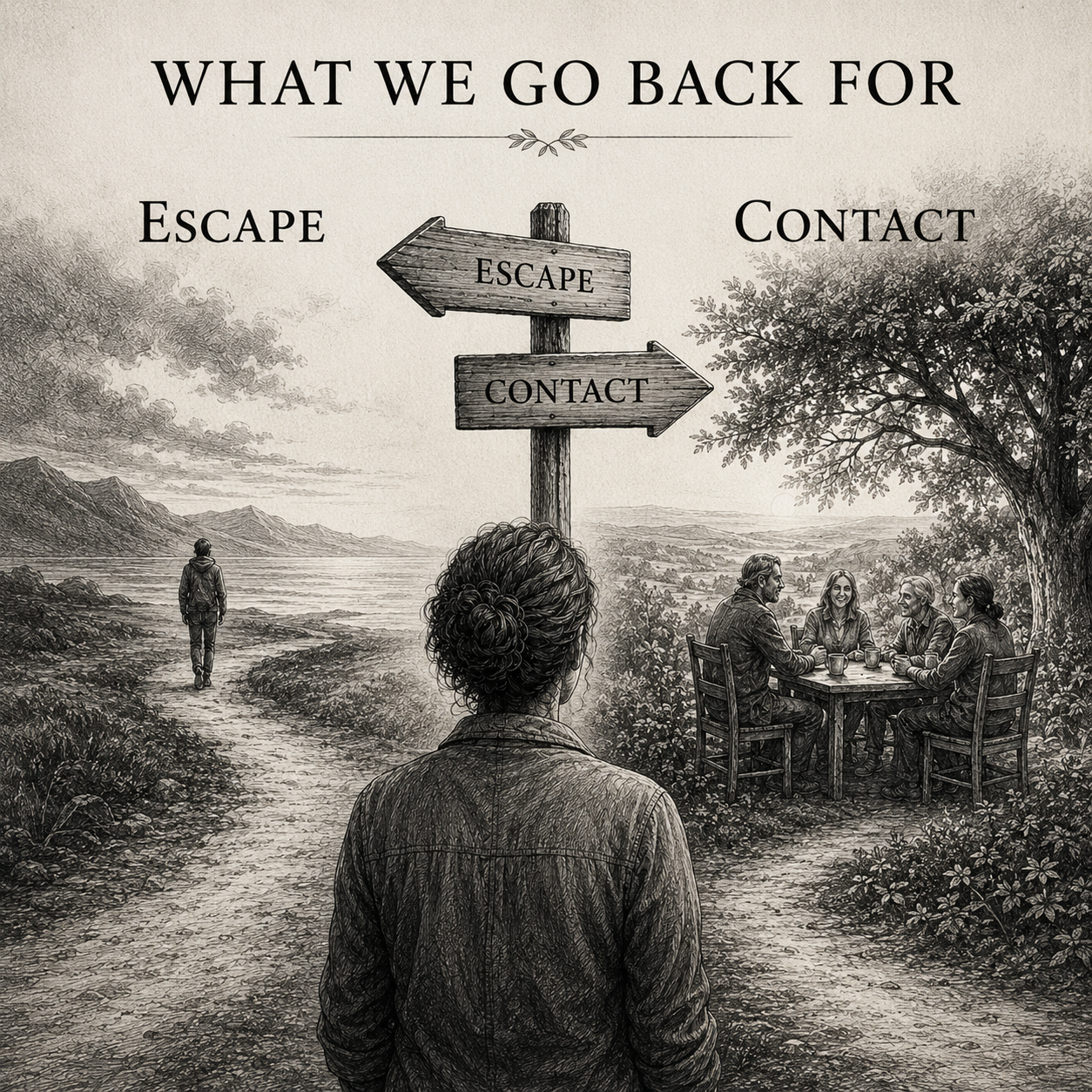
What We Go Back For
We usually think the danger of the past is its pain. But the first posts in this series called that pain an invitation, the thing surfacing to be felt and finally completed. So where is the danger? Not in the painful past, but in the sweet one, in how we return to our pleasant memories. The same reach can bring us into contact with what we feel or help us escape it, and from the outside the two look almost identical. This third piece follows the difference, from the memory we flee into when the present aches, to the warmth of true reminiscence that returns us to the present fuller, to the positive trigger that arrives like a gift long delayed. The test is not whether a memory is sweet. It is whether we are using it to make contact, or to flee.
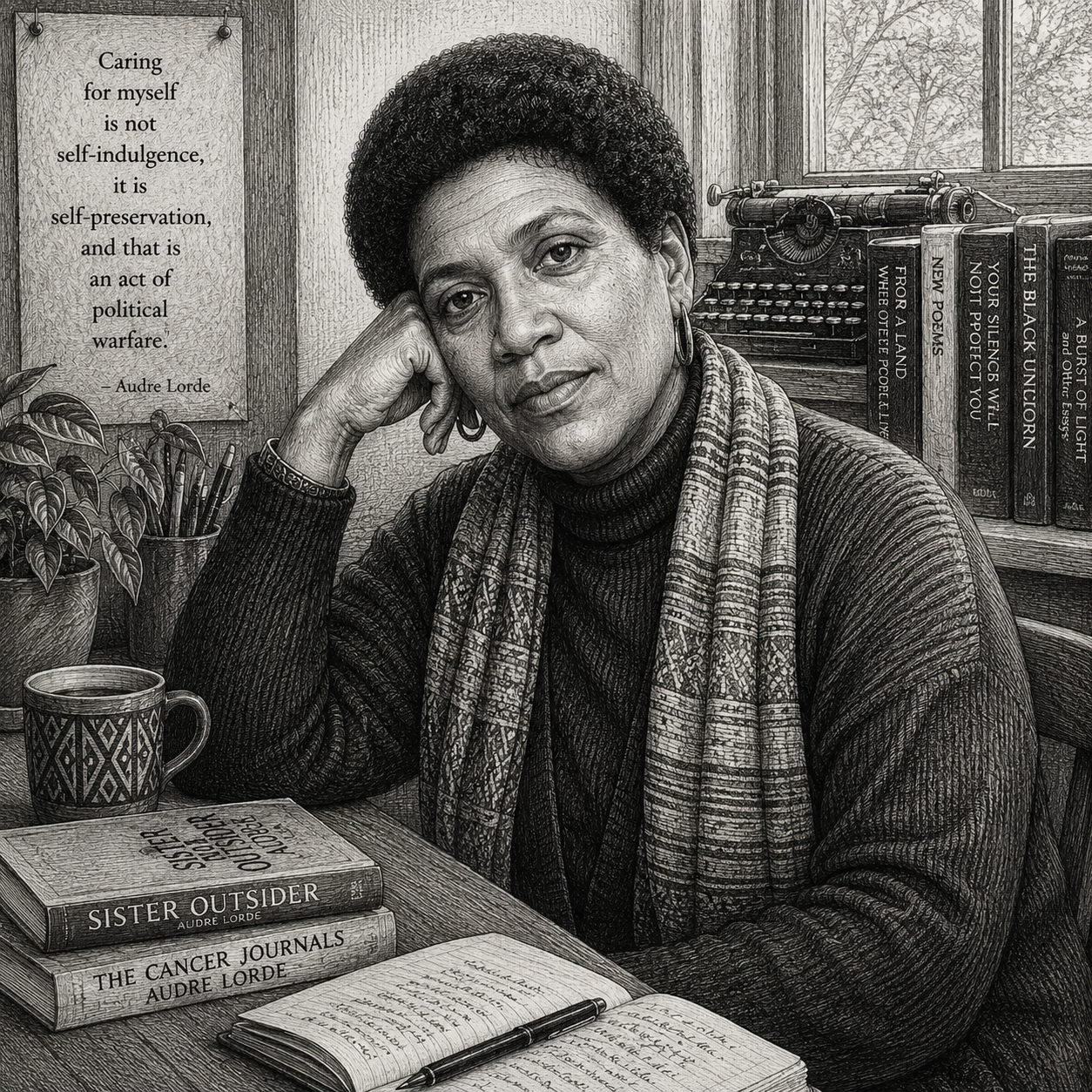
Audre Lorde at the Threshold
I've been reading a recent piece by Maria Popova on Lorde's Cancer Journals, written in 1978 in the shadow of her diagnosis. What Lorde wrote then, under threat of her own death, is one of the clearest descriptions I've encountered of the work Tracking Triggers calls integration. She walked the path before there was a vocabulary for tracking what triggers us.
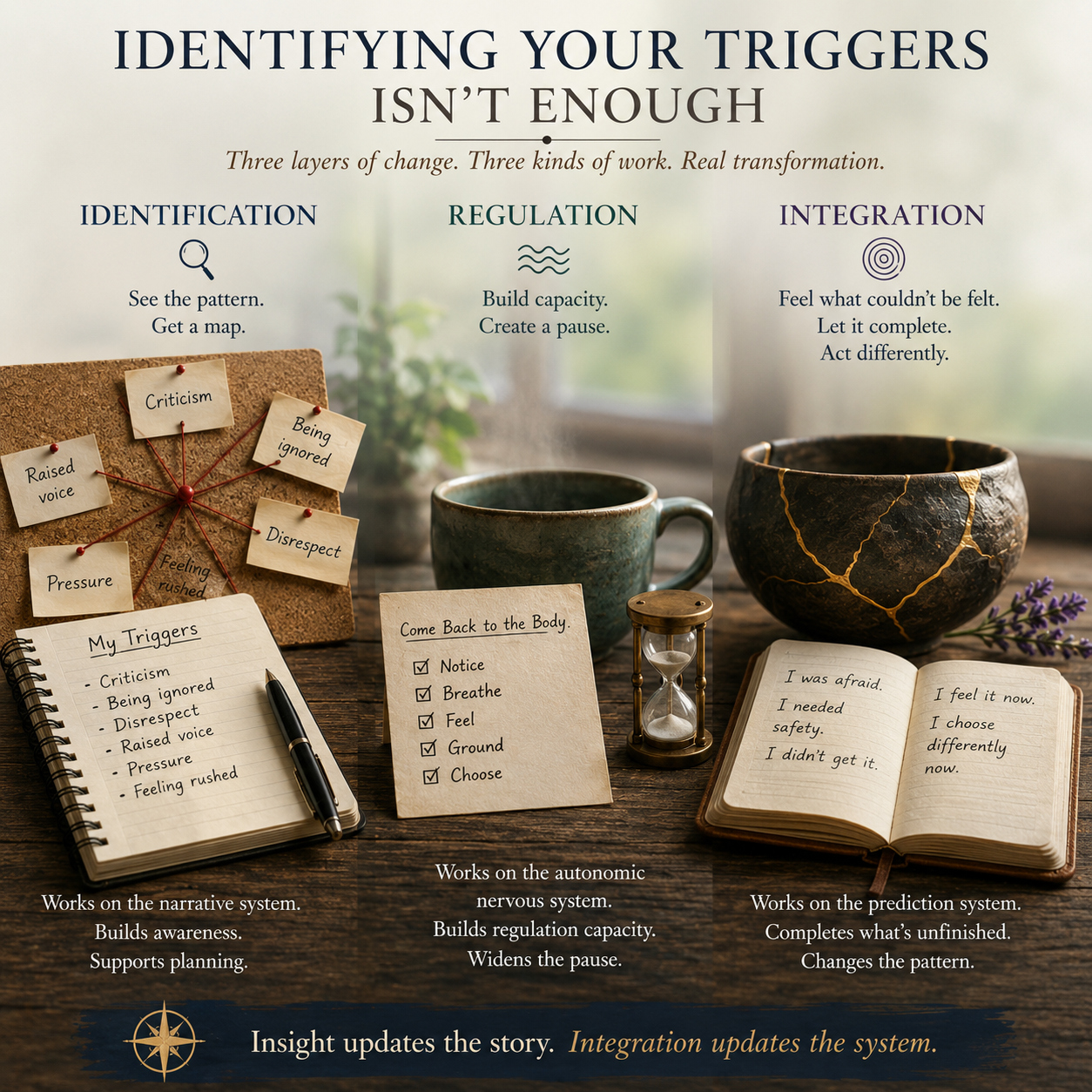
Identifying Your Triggers Isn't Enough: Why Awareness Doesn't Always Change the Pattern
You can know exactly what triggers you, trace the pattern back to childhood, name the wound, see the dynamic clearly, and still get hijacked by the same reaction the next time it shows up. Insight updates the story you tell yourself. It doesn't update the body's prediction.
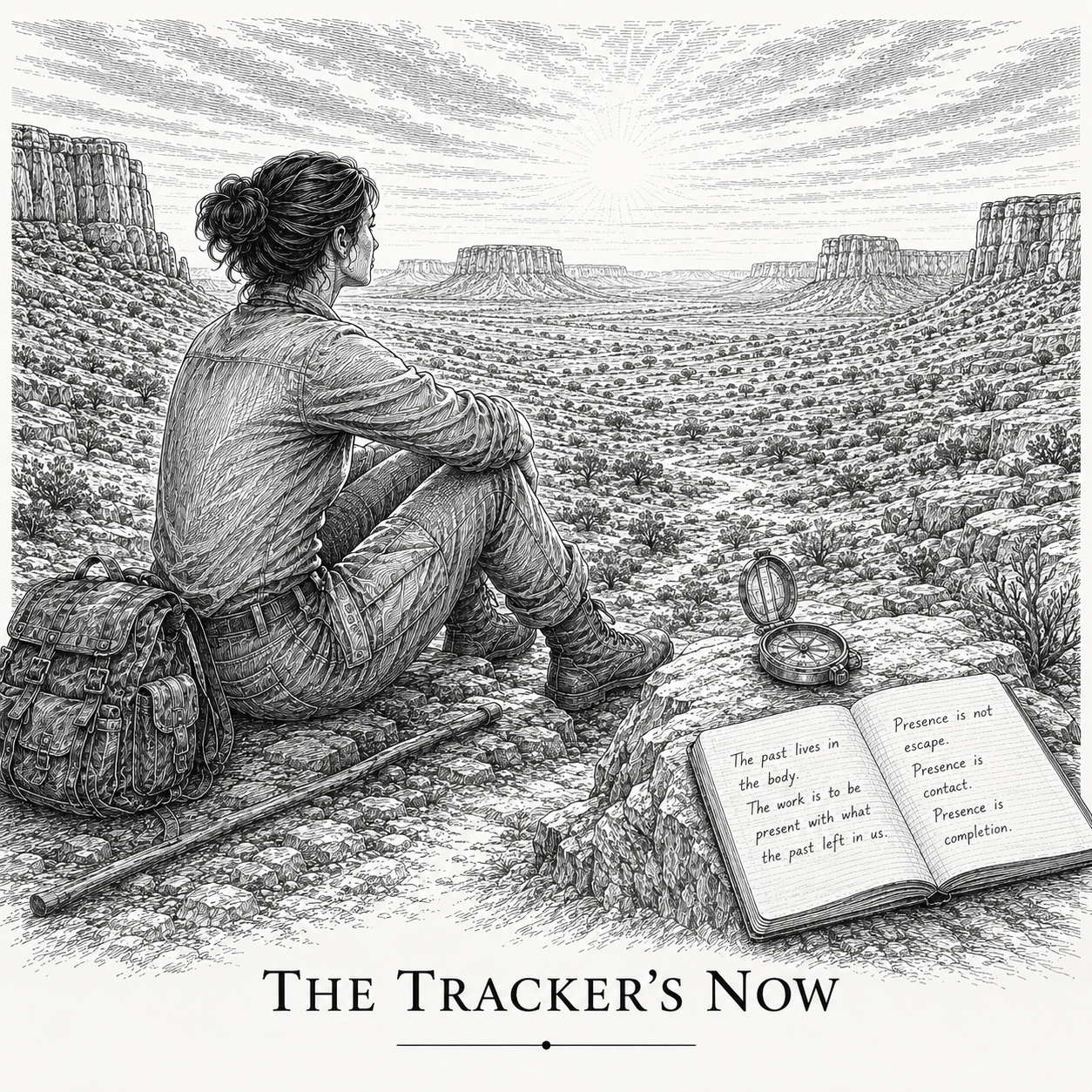
The Tracker’s Now!
I love Eckhart Tolle. The Power of Now opened something in me years ago that I don't think I would have reached on my own. His invitation to drop the relentless chatter of mind, to step out of the time-bound self and into the simple suchness of this moment, is one of the great spiritual gifts of our era. Millions of people have found relief through his work. I'm one of them.
And yet.

The Voices That Open Each Chapter
Every chapter of Tracking Triggers begins with a quote. What started as a simple editorial choice became one of the more instructive journeys of writing this book, one that nearly included a eugenicist and, for a while, featured almost no women.
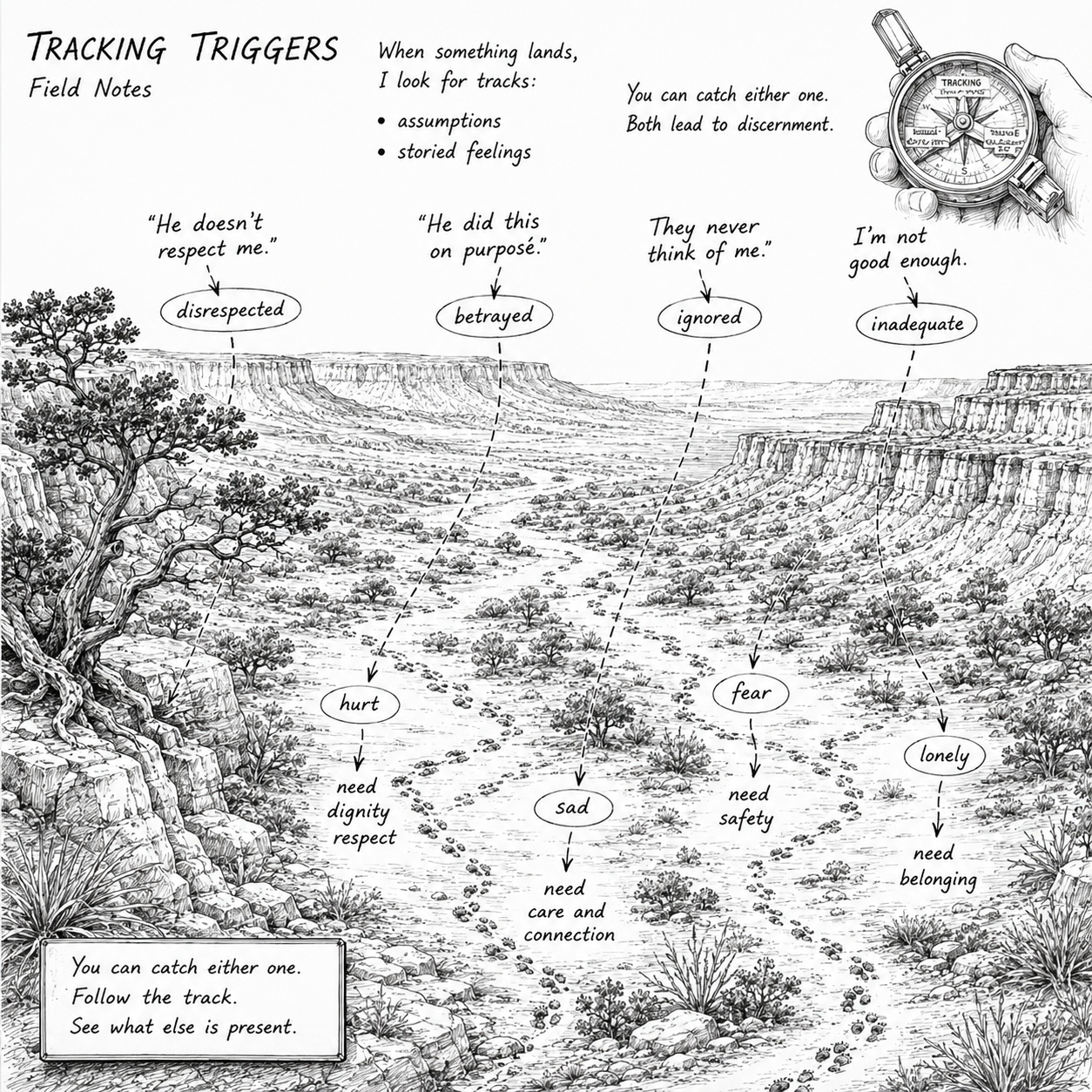
Storied Feelings: Why I Landed Here
If you've been following this journey, you know I've been searching for a replacement for "faux feelings." The search is over. I've landed on storied feelings. This post is about why.
How "Faux Feelings" Became "Story Feelings" — A Community Journey (Updated)
When I asked for your input on dropping "faux feelings," I didn't expect the depth of response that followed. What began as a simple question became a genuine collaboration. Here's where we are now.
Reconsidering "Faux Feelings" — I'd Like Your Input
The term "faux feelings" has served the NVC community for years, but does the word itself undermine the message? In this post, I explore why I'm reconsidering the term, the alternatives I've weighed, and why "story feelings" may better honor both the experience and the insight. I'm asking for your input before making the change.
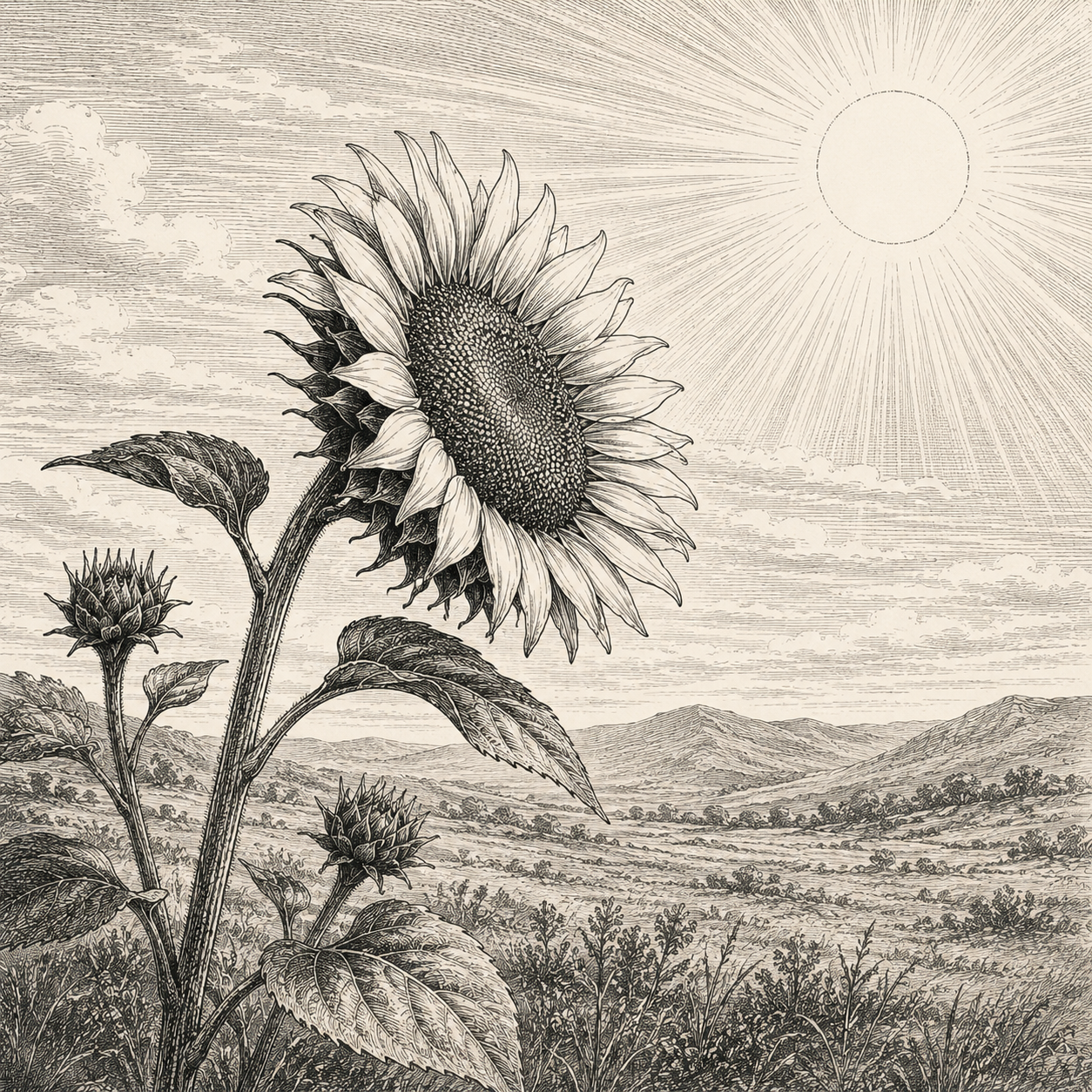
What Plants Know About Tracking
Why analyzing your triggers often isn't enough — and what plants, San trackers, and Michael Pollan reveal about a more ancient way of paying attention.
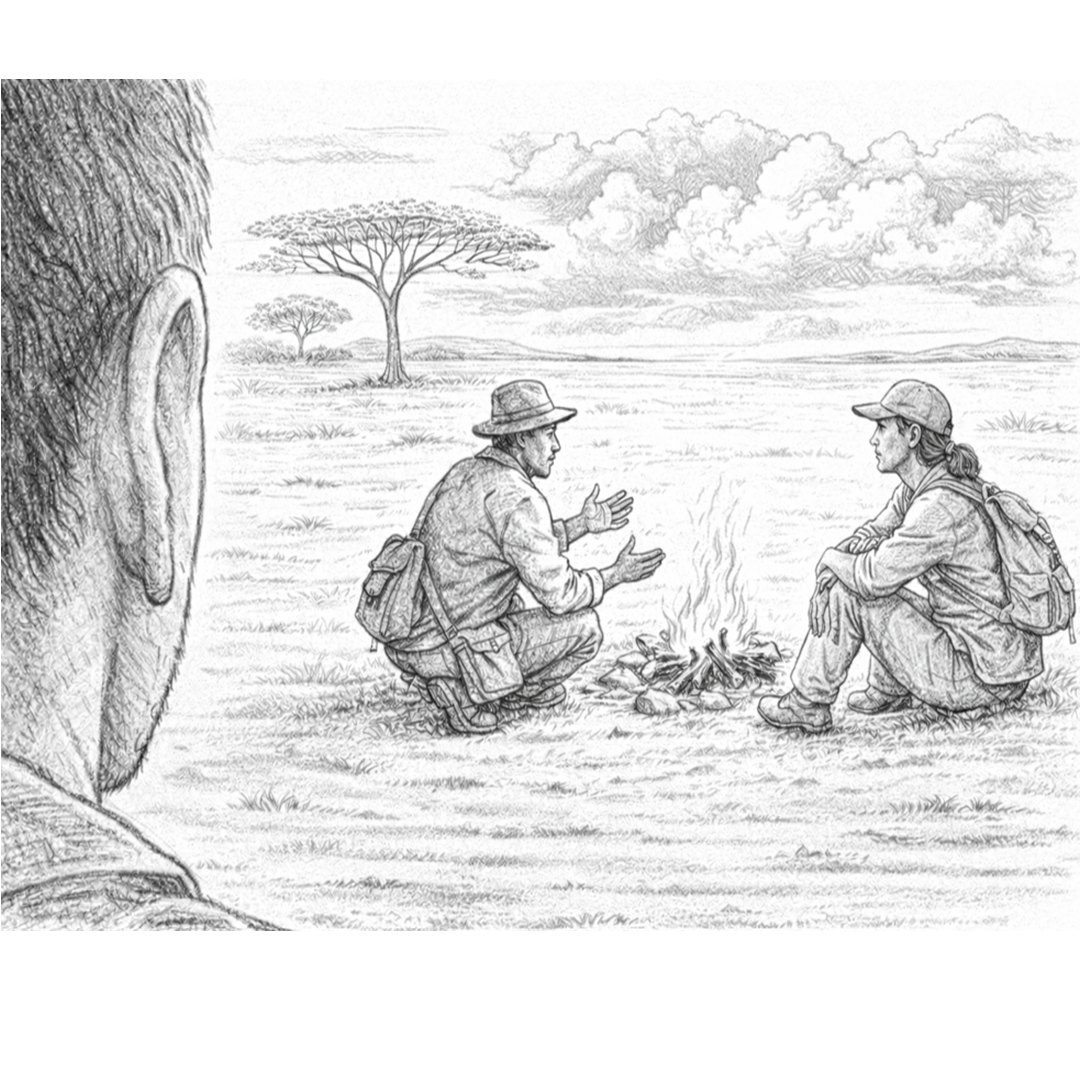
When Empathy Circles Back
I've been working on Chapter 9 of Tracking Triggers, which focuses on listening and empathy. The chapter teaches empathy as a cooperative act: when you genuinely receive another person's experience, their nervous system registers safety in yours. Co-regulation. The prefrontal cortex comes back online. They shift from protection to openness. All of this is true. But a thoughtful reader pointed to something I hadn't made explicit.
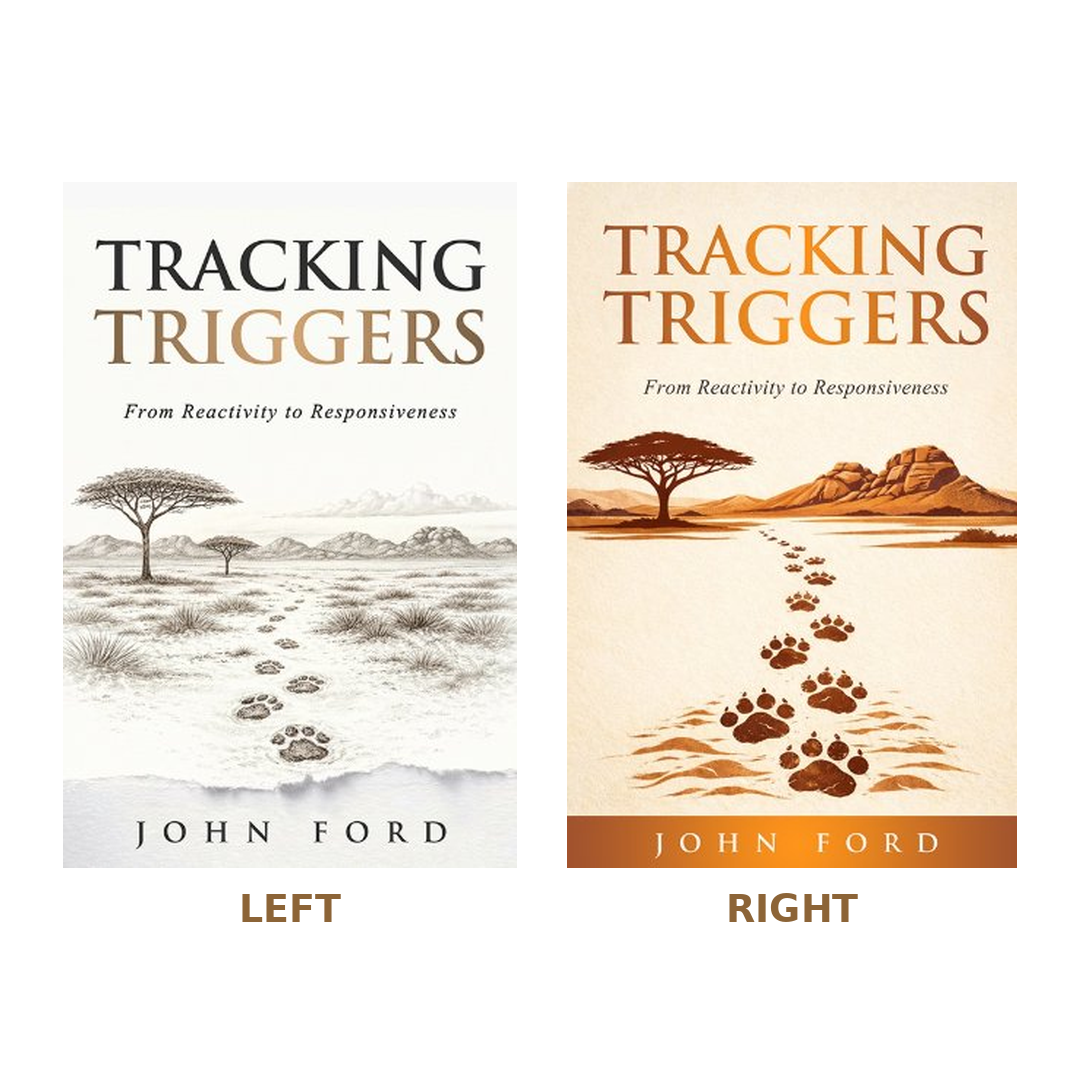
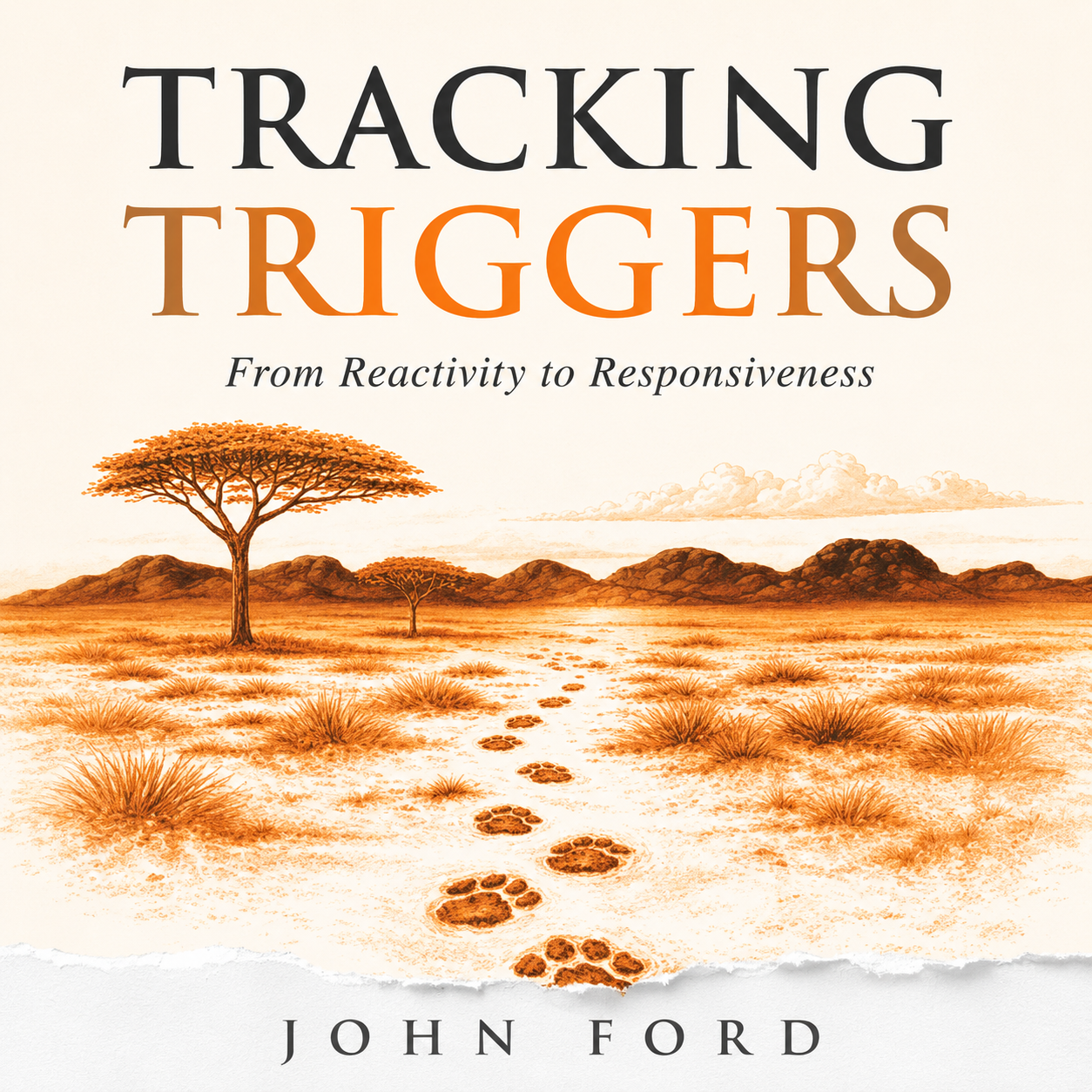
Tracking the Cover: What Lion Prints Taught Me About Book Design
When I posted two cover options for Tracking Triggers, I asked two questions: which cover has the real lion tracks, and which one draws you in? I expected a clear winner. What I got was something more interesting.
What Exactly Is a "Faux" Feeling?
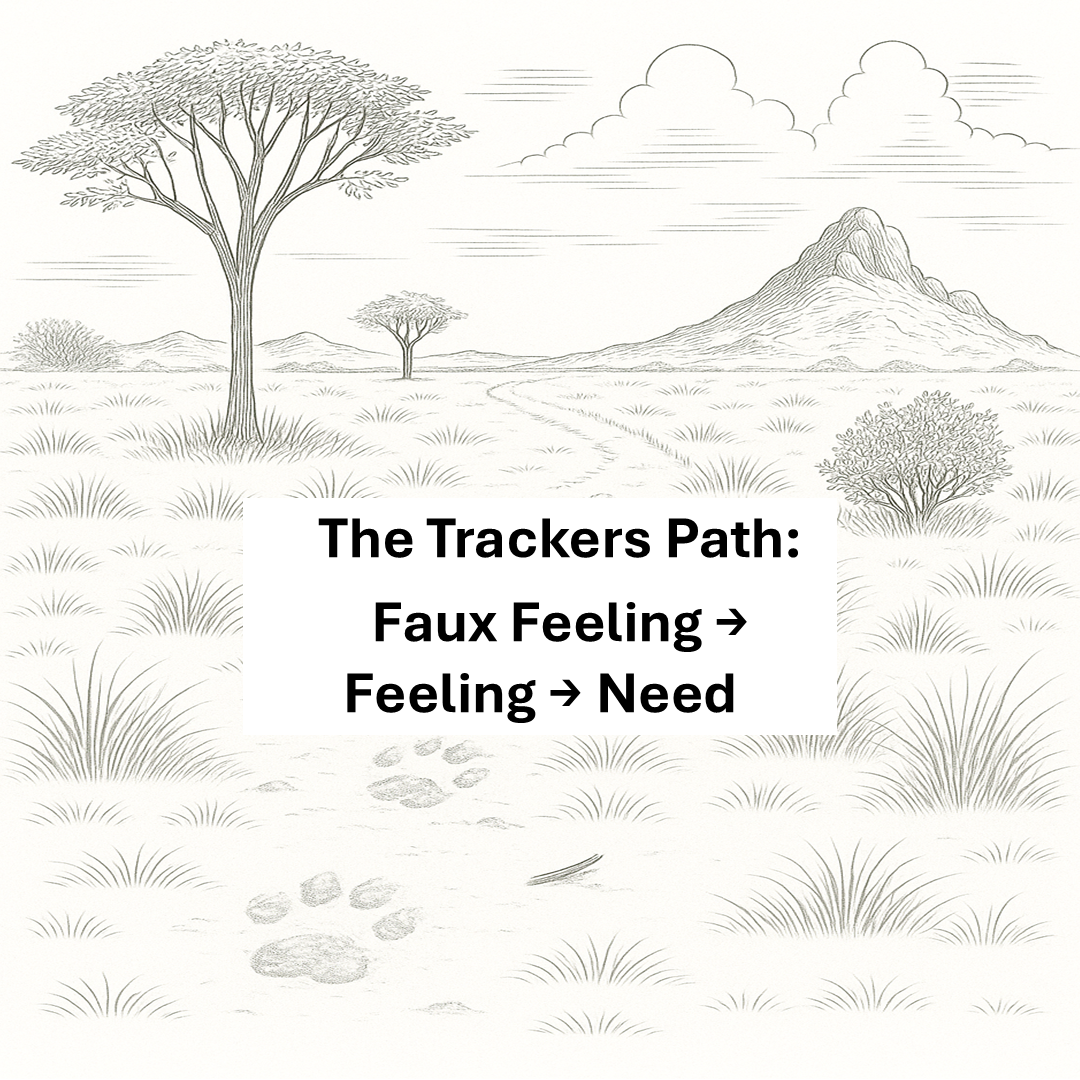
Faux feelings are feeling-words that embed interpretations about another person's intent. They don't just name an internal state; they imply a narrative about what someone did to you. The experience behind these words is fully real. What makes them "faux" is that the language points outward rather than inward.