My Journey
This page tells the story behind Tracking Triggers: From Reactivity to Responsiveness, author John Ford's journey from following San trackers in Africa to creating The Empathy Set and a book on emotional tracking.
Life has a way of leaving tracks.
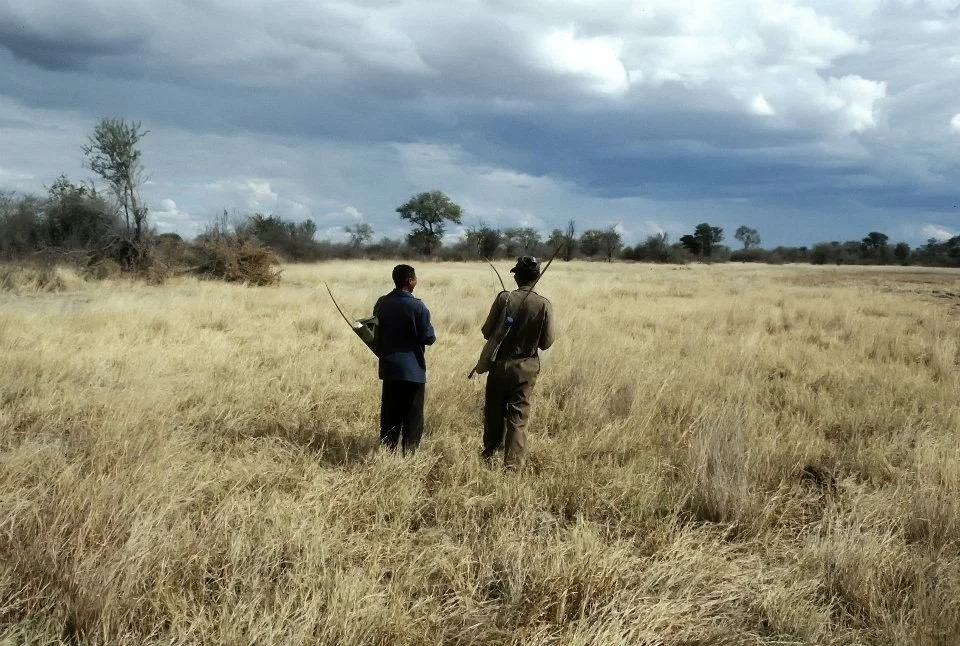
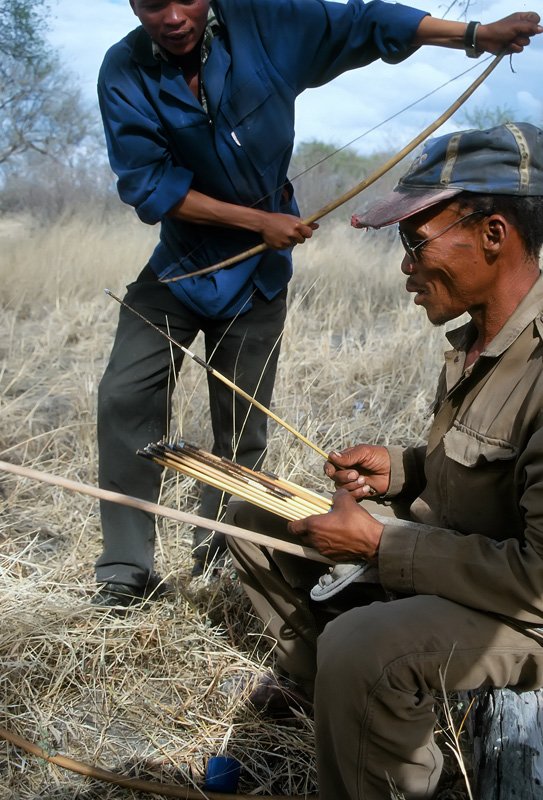
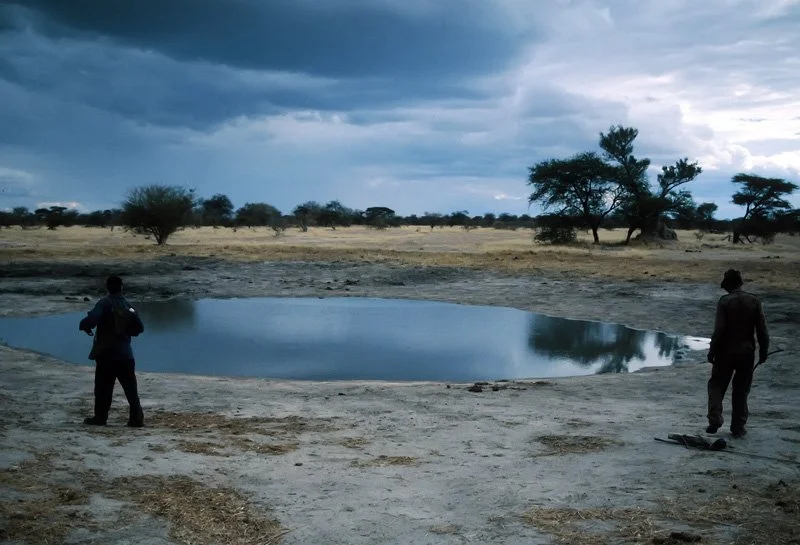
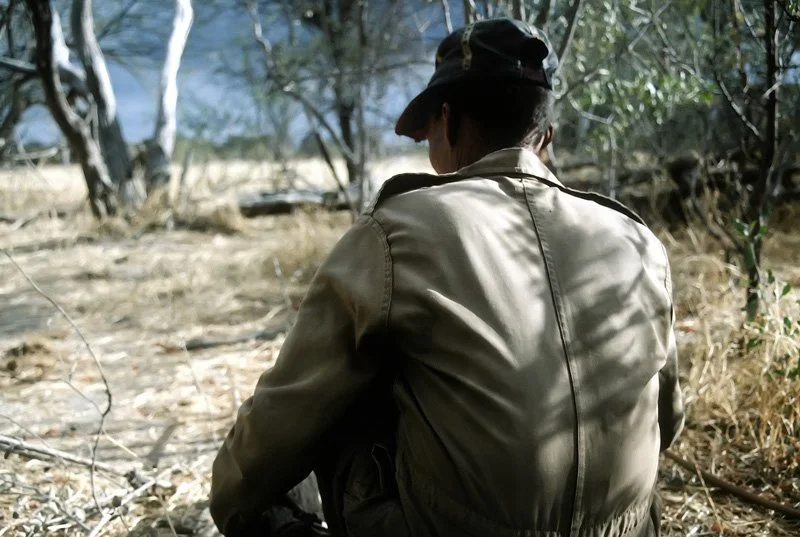
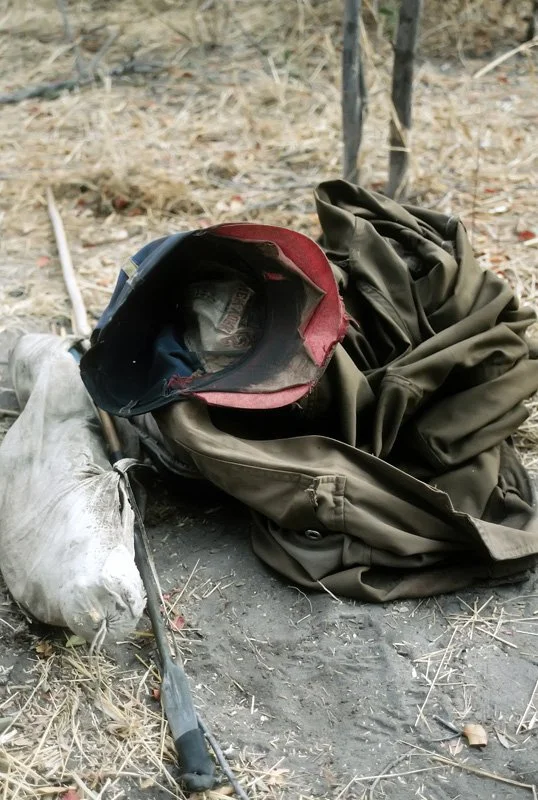
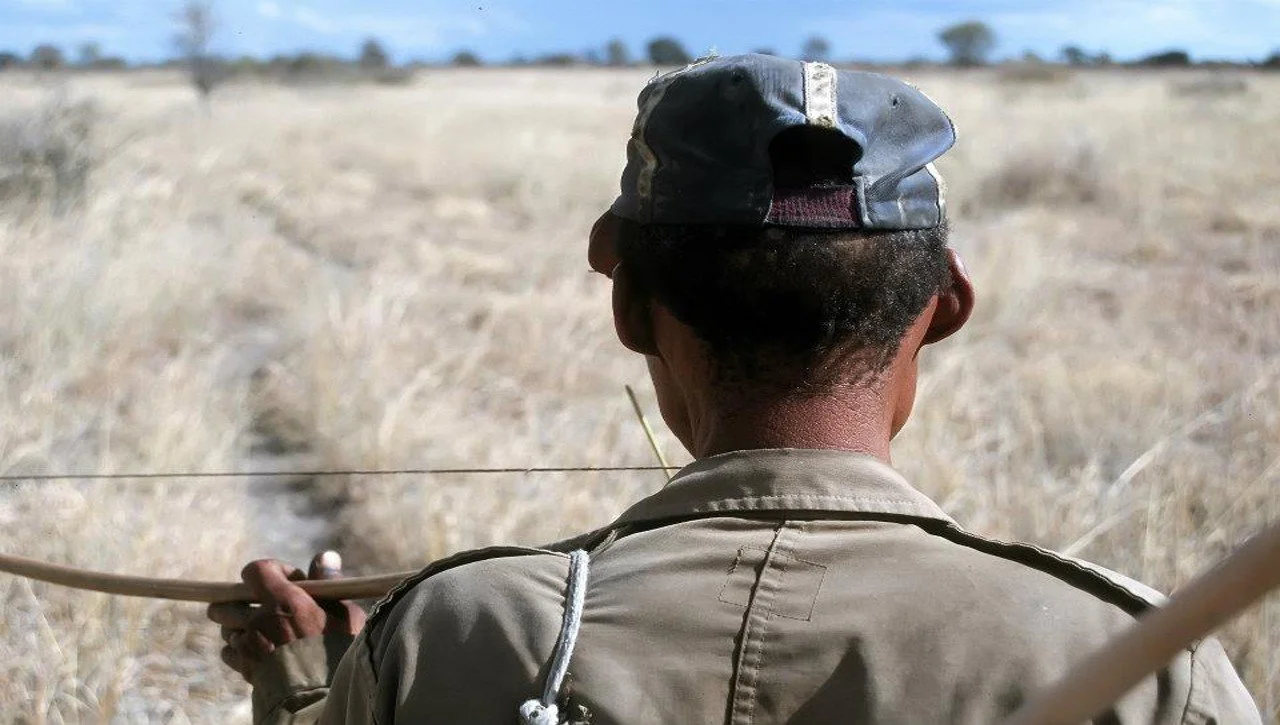
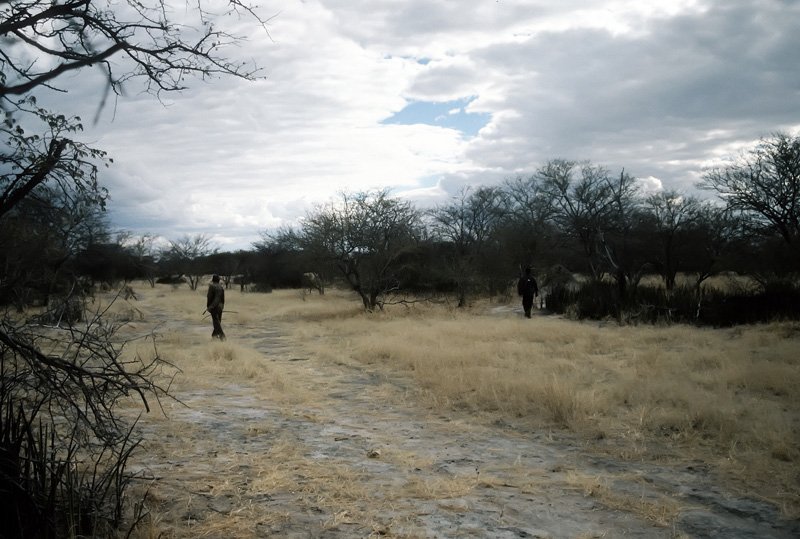
I am standing in the Kalahari, watching Thomas track a gemsbok. He moves like breath across the land, focused, present, attuned to signals I cannot see. I barely breathe. Something opens in my chest. I am part of something ancient and whole. I want to be whole too.
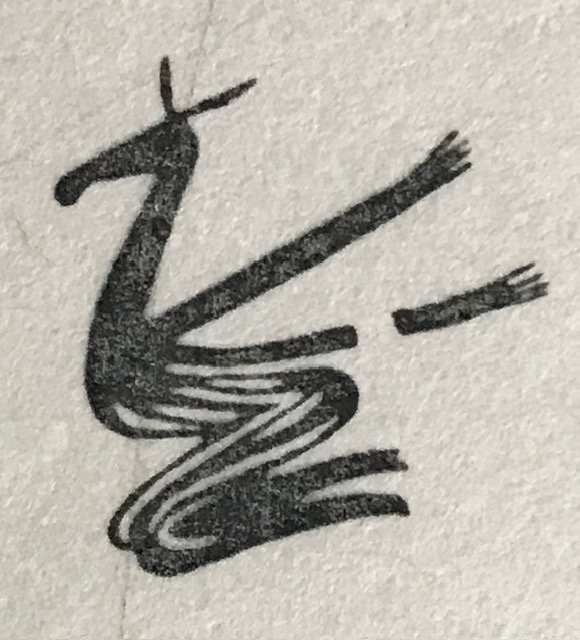
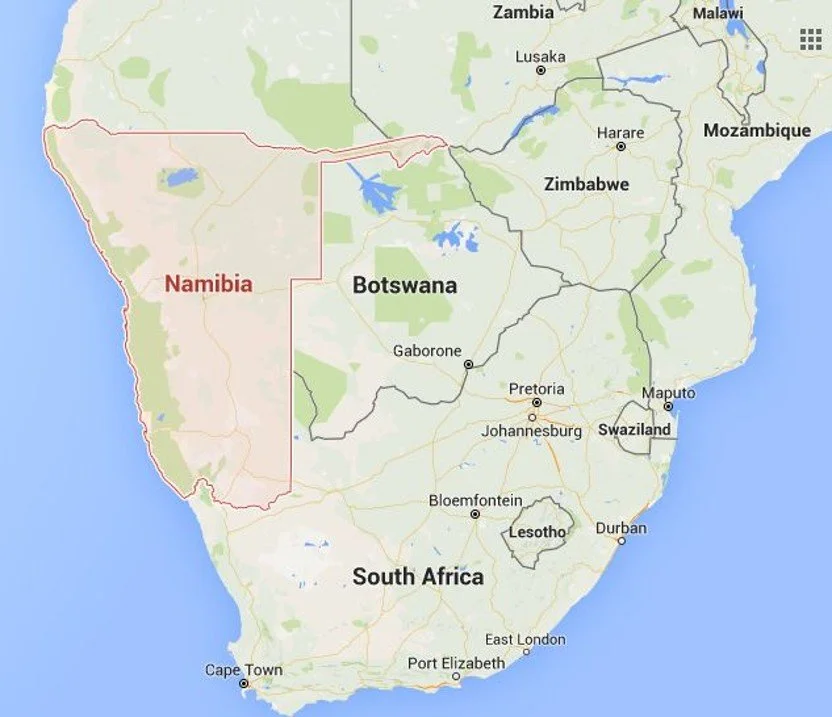
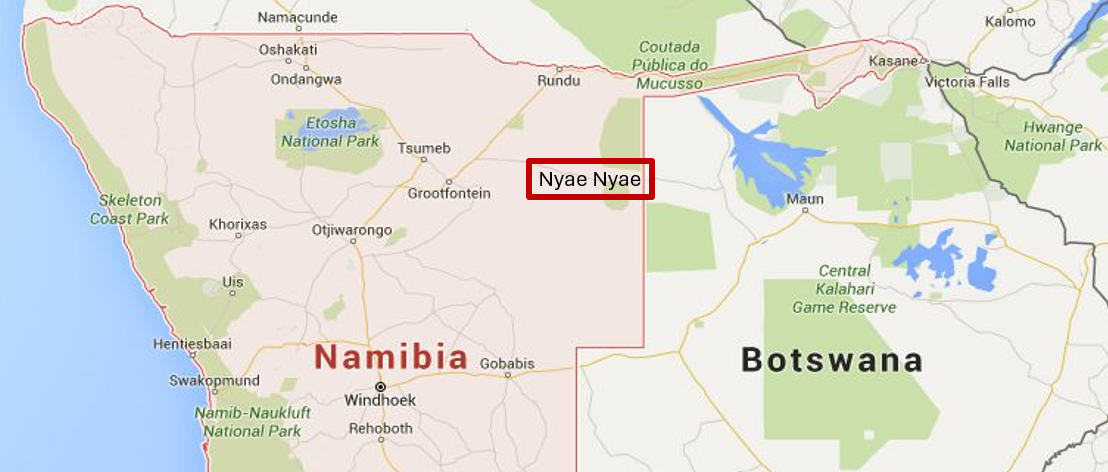
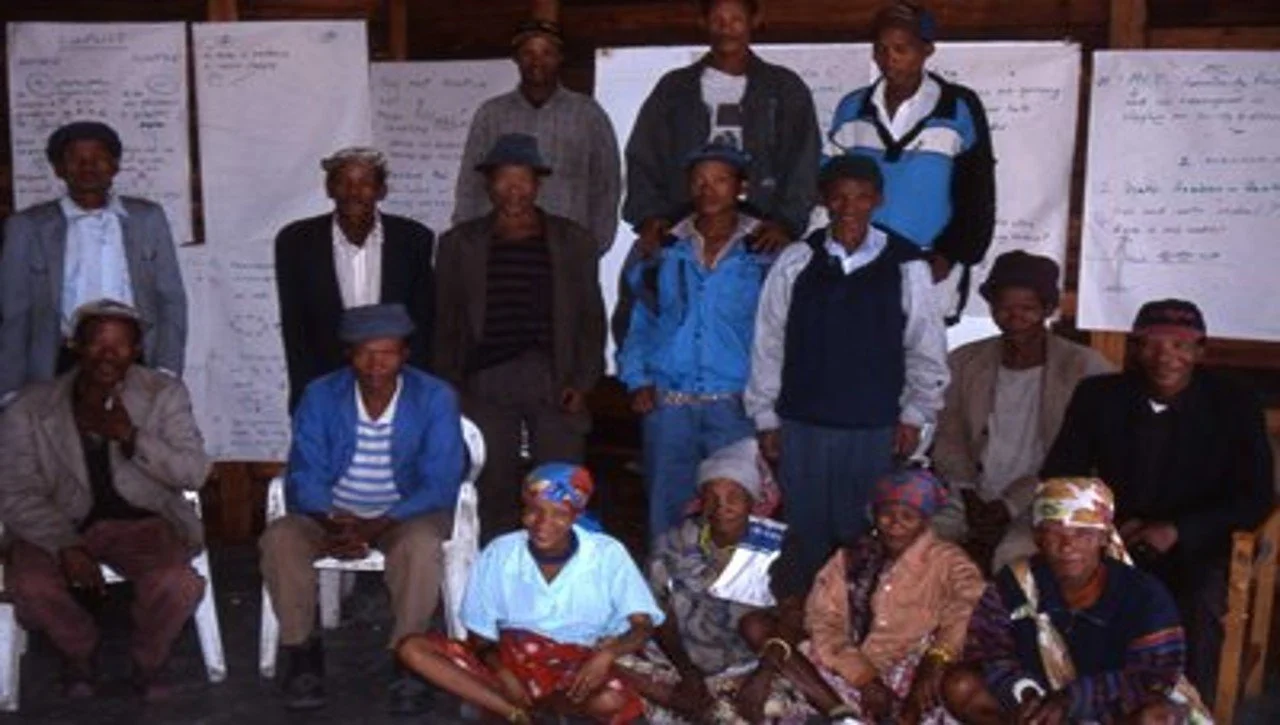
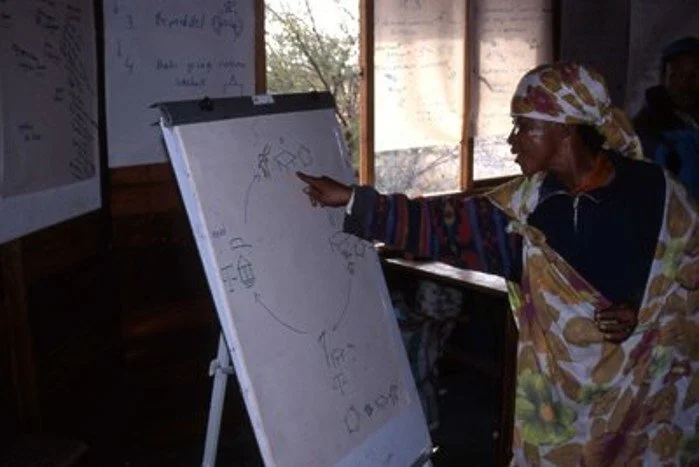
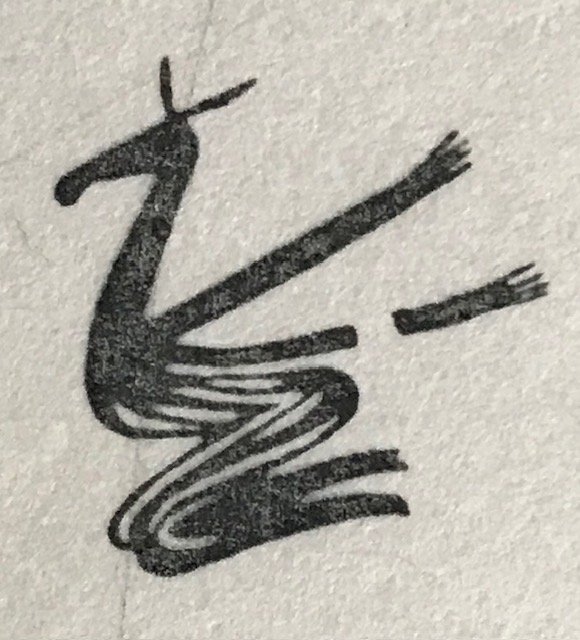
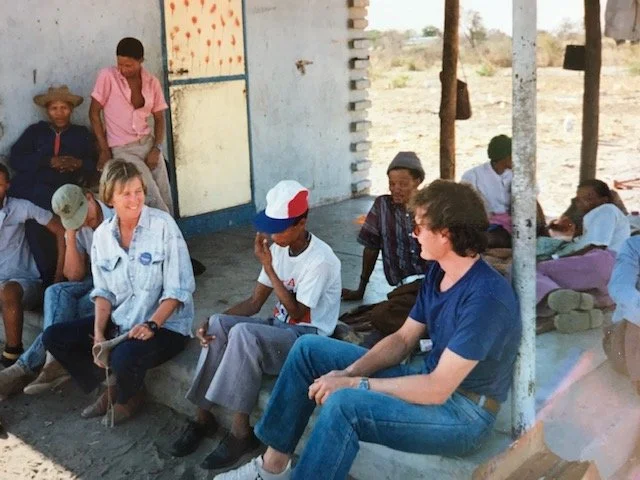
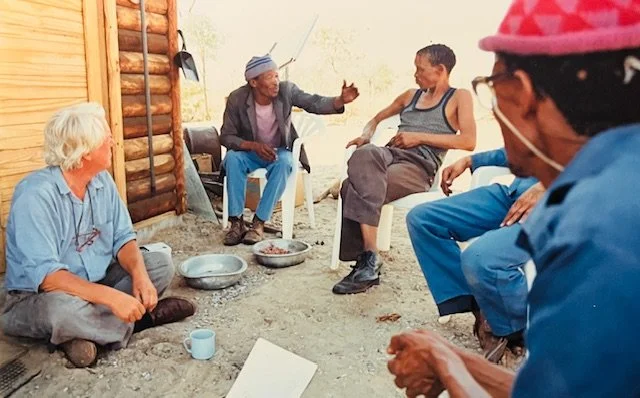
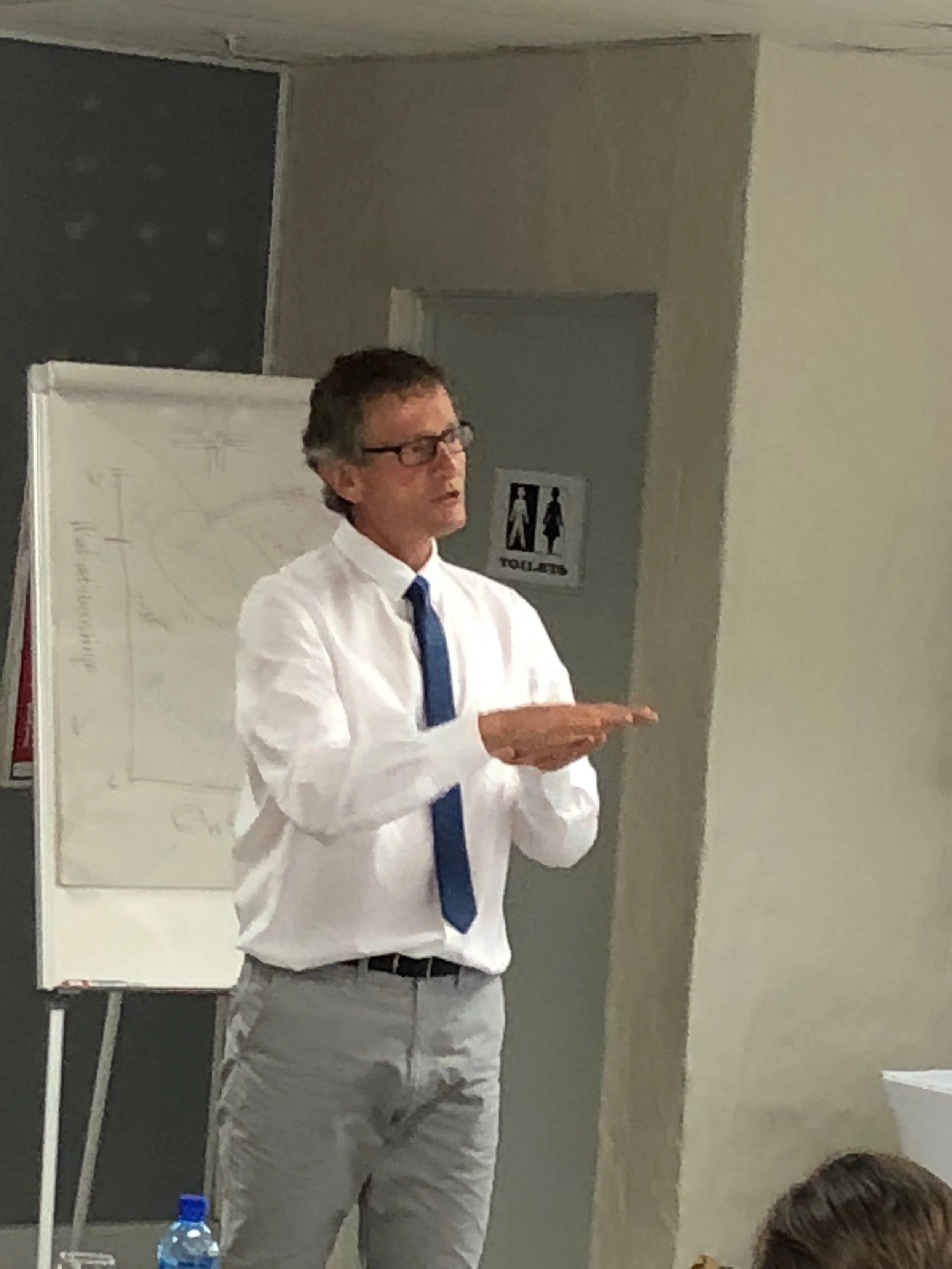
That was 1999. I had come to facilitate a conflict resolution workshop with the San people of the Nyae Nyae Conservancy.2 Many participants did not read or write, so I adapted, translating concepts into drawings and theory into images. But what I found there went far deeper than any curriculum I had prepared.
Thomas didn’t get the gemsbok. But that moment never left me. I didn’t understand what I had witnessed, only that it was magical, and that I wanted it. Years later, Boyd Varty’s The Lion Tracker’s Guide to Life would give me both language and framing for what I had glimpsed.
Tracking, I began to sense, isn’t about catching. It’s about listening, attuning, and becoming porous to the signals always being sent by the world, and by your own nervous system.
That was the outer track. But the story began long before, on the inner one.
What follows is my origin story, the emerging impetus for writing this book. A curated set of events relevant to a search. For language when I had none. For feelings I couldn’t name. For a way back to myself after decades of disconnection, back to the wholeness I glimpsed that day in the Kalahari.
These are the prints I didn’t know I was leaving and the trail I spent decades learning to read. I share it as a path and as permission to track your own. If you’ve ever lost access to what you feel, or struggled to speak what matters most, you’ll recognize these prints. They’re human, not just mine.
“I don’t know where we’re going, but I know exactly how to get there.””




The First Lost Track
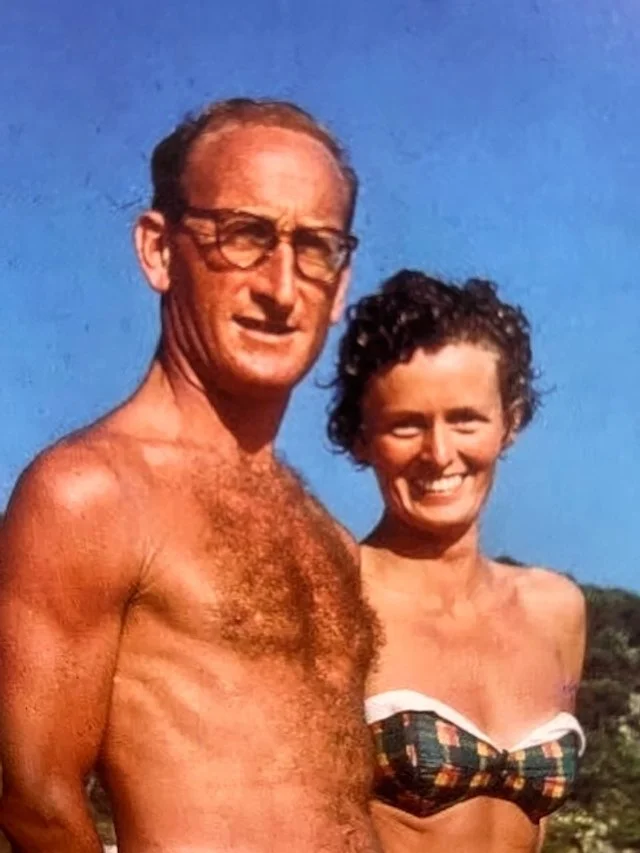
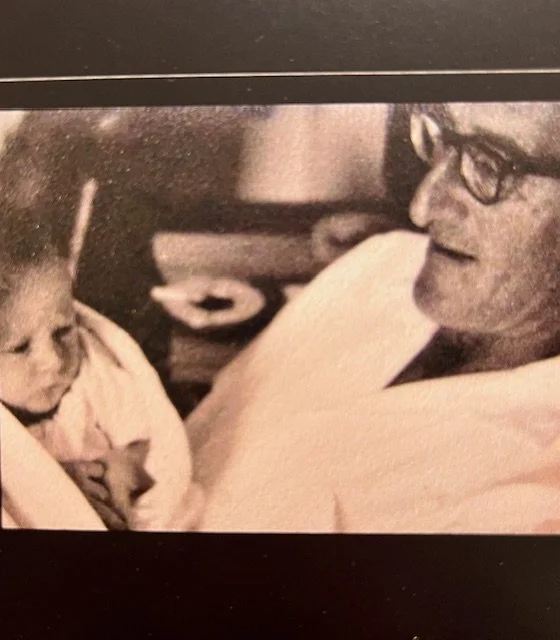
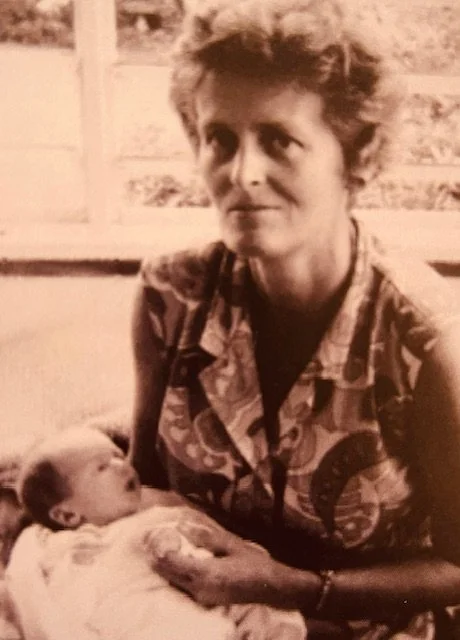
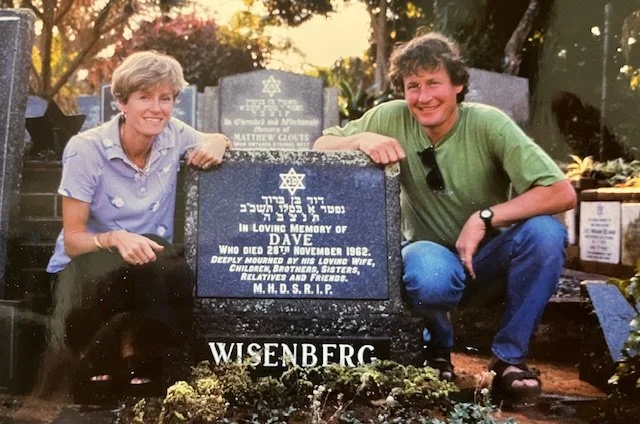
I was three months old when my father died.
There were two losses that day. The obvious one: my father was gone. The invisible one: my mother, drowning in her own grief, could not fully be present for an infant who needed her. I was too young to remember any of this. Three months leaves no explicit memory, only what the body holds.
The trail to understanding began decades later, in therapy. I had been focused on my father, the absence, the questions, the man I never knew, when my therapist asked a simple question: “What do you think it was like for your mother?”
I stopped dead in my tracks. Of course, I had thought about her loss. A young woman from England, widowed in a foreign land with a toddler and a newborn.
But I had never considered what her grief meant for me, how a mother consumed by her own sorrow, however understandable, could not fully attune to an infant’s developmental needs. That was the question I had never asked. Not once.
Once I did, it was like Pandora’s box had opened. Her own grief unmetabolized, her own needs overwhelming. And there I was, an infant who couldn’t yet focus his eyes, already learning to attune not to his own needs but to hers.
When I sit with this now, I can connect with a felt sense of it. Overwhelm. Being consumed. My hands go up. I want to back away. These aren’t memories. They’re impressions, somatic echoes of something the body recorded before language existed.
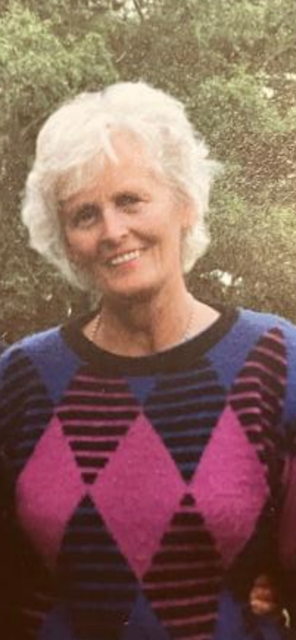
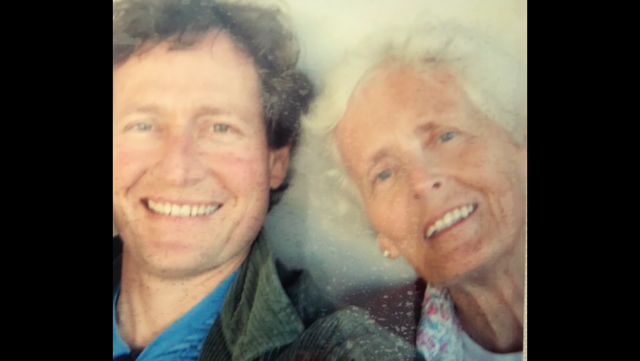
Years later, with great care and tenderness, I explored some of this with my mother while she was still alive. She confirmed what I had sensed. “You were a source of comfort to me,” she said.
I left it there. I didn’t share what my therapist had helped me see, that a three-month-old attuning to a grieving mother’s emotional needs is too much, too soon. My mother loved and cared for me; I know that. But I was also absorbing her grief, learning to attune to her distress before I had the capacity to process my own. I lost my father. And without anyone noticing, I lost something else: access to my own feelings.
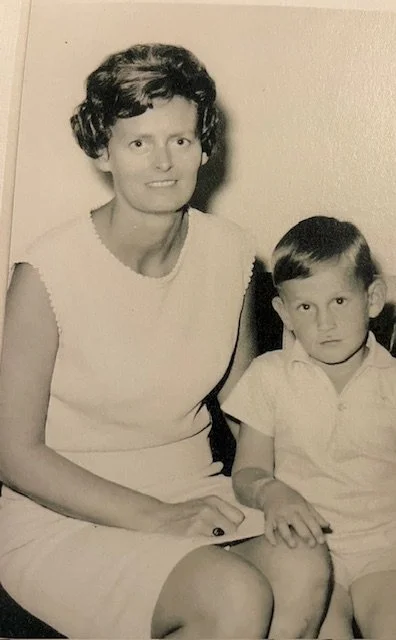
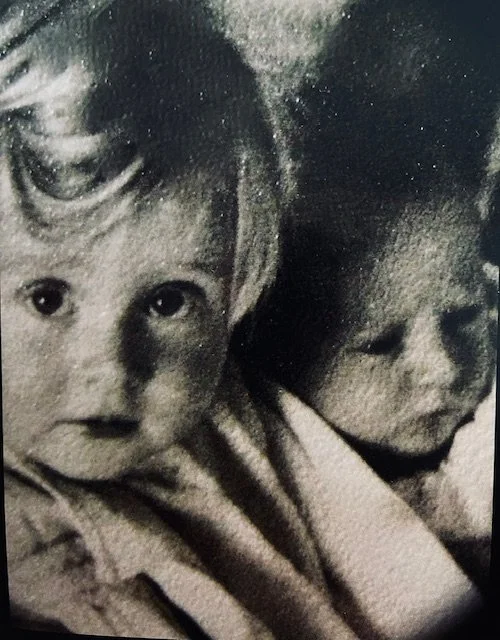
My sister, eighteen months my senior, was old enough to remember our father. I was not. We each carried the loss differently. She with the pain of missing someone she knew. I with the confusion of losing access to my own feelings.
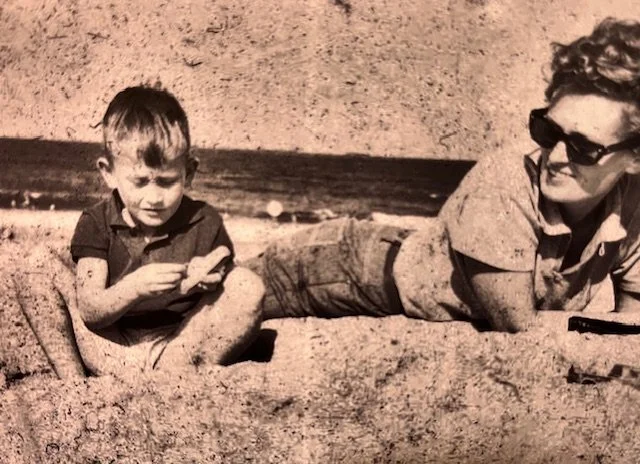
In our family, we coped by forgetting. We moved on. My mother seldom spoke of what was lost. Her wisdom was that you can’t miss what you don’t remember. She was trying to protect us from our pain. There were no photos of my father in the house. We didn’t mark his birthday or the anniversary of his death. We never visited his grave. By the time I was old enough to understand, the forgetting was nearly complete.
It’s hard to grieve what you never knew. It’s harder still to feel what your body remembers but has no language for.


The Early Track- Kloof High School
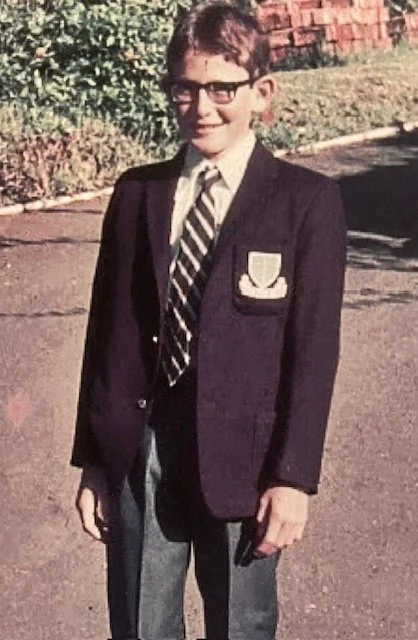
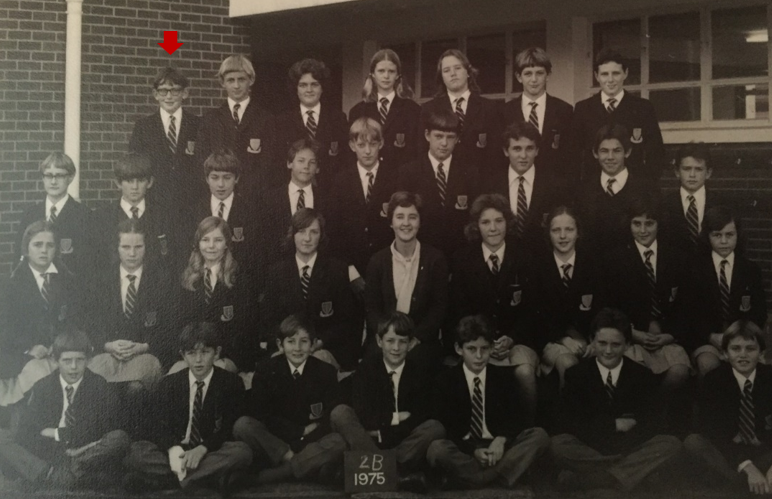
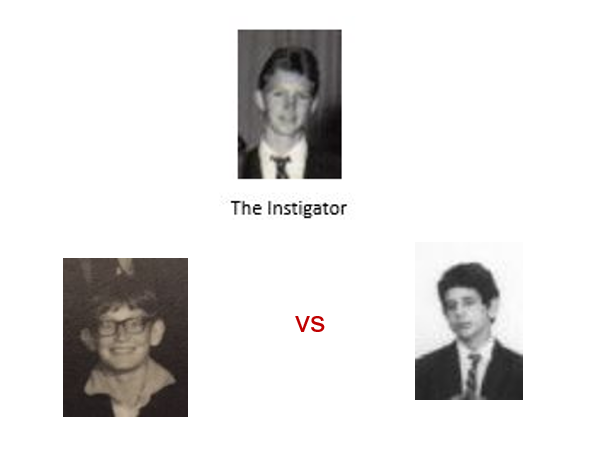
I was fourteen at Kloof High School in KwaZulu-Natal, South Africa, when a boy in my class fabricated a conflict between another student and me. By afternoon, word spread that a fight had been arranged. Everyone knew.
The moment I heard, I gasped. My mind went blank. No thoughts, no plan, just a sudden hollow where my stomach had been.
I didn’t want to fight. But I also didn’t want to be seen to back down.
The classes between that moment and the final bell were agony. The teacher’s voice became a distant noise. My mind raced in tight circles: What do I do? What do I do? My stomach churned while I sat perfectly still, face arranged in what I hoped looked like calm. Maybe even indifference. A false bravado.
Then the bell.
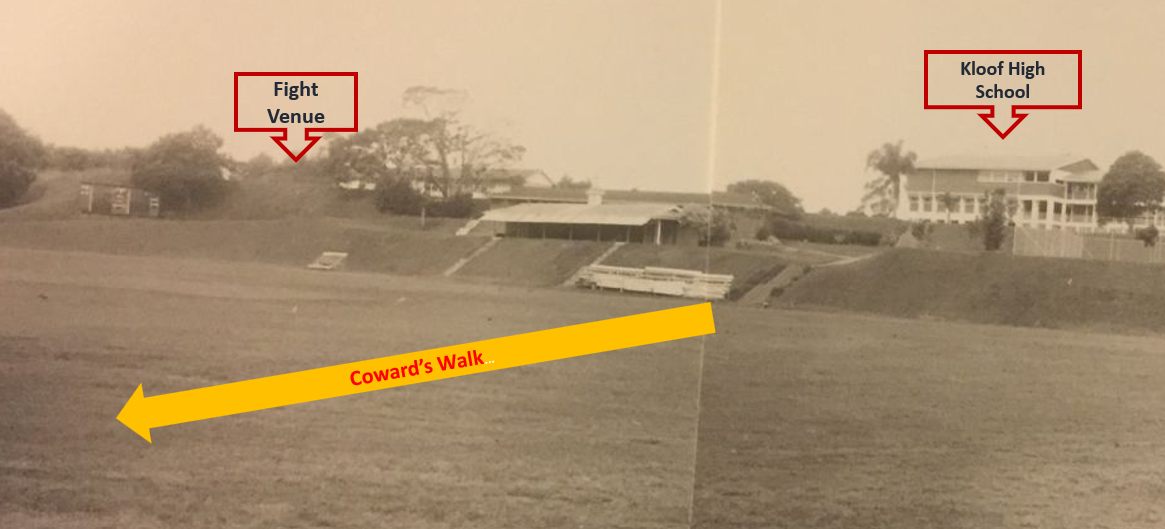
I still didn’t know what I would do as I left the classroom. My legs decided for me. They carried me toward the cricket field, toward home. The walk felt surreal, like I was watching myself from somewhere outside my body. Ghost walking. I hoped I could slip across the field unnoticed.
I didn’t.
A group had gathered behind the prefabricated classrooms, the fight venue. The boys’ voices carried across the field, taunts, jeers, the sound of pride enforcing its code. “Coward.” “Chicken shit.”
I died inside. My head dropped. I never looked up. The field became a blur beneath my feet, my stomach sick, my face burning with something I couldn’t name. I didn’t like what I was experiencing. It was overwhelming, hot and tight and wrong. I wanted it to stop. But I had no language to understand what was happening in my body, only that something in me was in distress.
Then the gate. I passed through. Made it. My whole body loosened for a moment.
But only a moment. Then something sour crept in. My gut clenched again. Did I make a mistake? What about my reputation? What happens tomorrow?
I didn’t tell anyone. Not my parents, not my friends. In my family, we didn’t open that can. Feelings were suppressed, and conflict was either avoided or absorbed whole. I had learned early to silence my inner world, to perform calm even as my stomach churned.
That afternoon on the field was more than fear. It revealed the cost of disconnection: the loneliness of having visceral emotions with no words for them. Sensations flooded my body, but I couldn’t differentiate or distill what they meant.
I wouldn’t see its significance for decades. In fact, I had completely forgotten the incident until 2014, when I was writing my book Peace at Work and found myself asking, Why did I become a mediator? That was when this long-suppressed memory resurfaced.
With hindsight, I could finally see what that moment had set in motion: a lifelong search to find a language for uncomfortable emotions, to learn how to name and navigate them, and to respond to conflict without shutting down or lashing out.
The Outer Track: Searching for Meaning
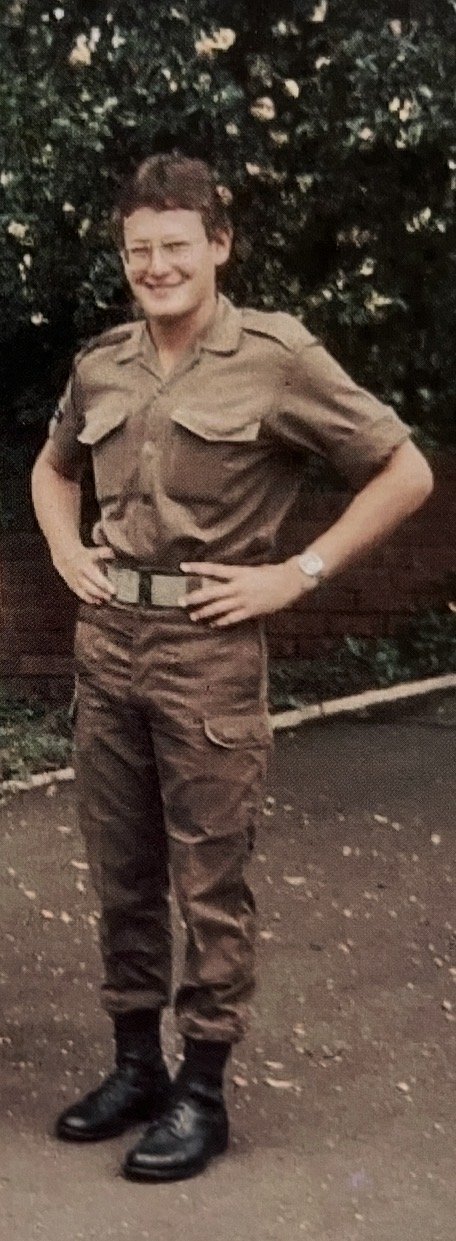
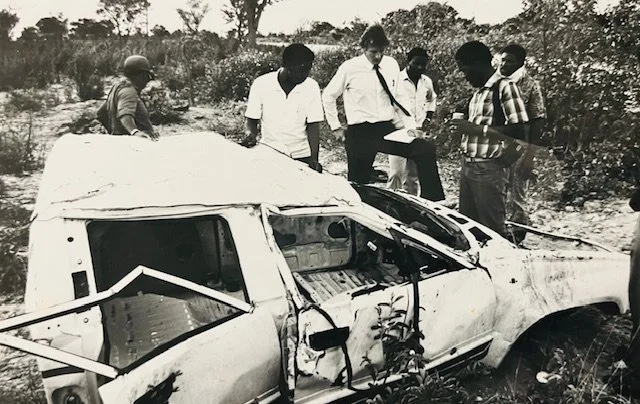
Years later, I was conscripted into the South African Air Force, a mandatory military service under apartheid, where conscientious objection meant prison. Like most white South Africans of my generation, I had been indoctrinated about the rooi gevaar, the “red danger” narrative that cast our country as a frontline in the Cold War. We were told the Soviets were advancing on South Africa through Angola and Mozambique, both with Marxist governments. Our education was Christian Nationalist; the threat felt real. I didn’t question it. I was sent to a remote post at Grootfontein, on the edge of the Kalahari. To survive in an environment where violence and bravado were celebrated as rites of passage, I did what I had already learned to do: keep my head down and avoid confrontation at all costs.
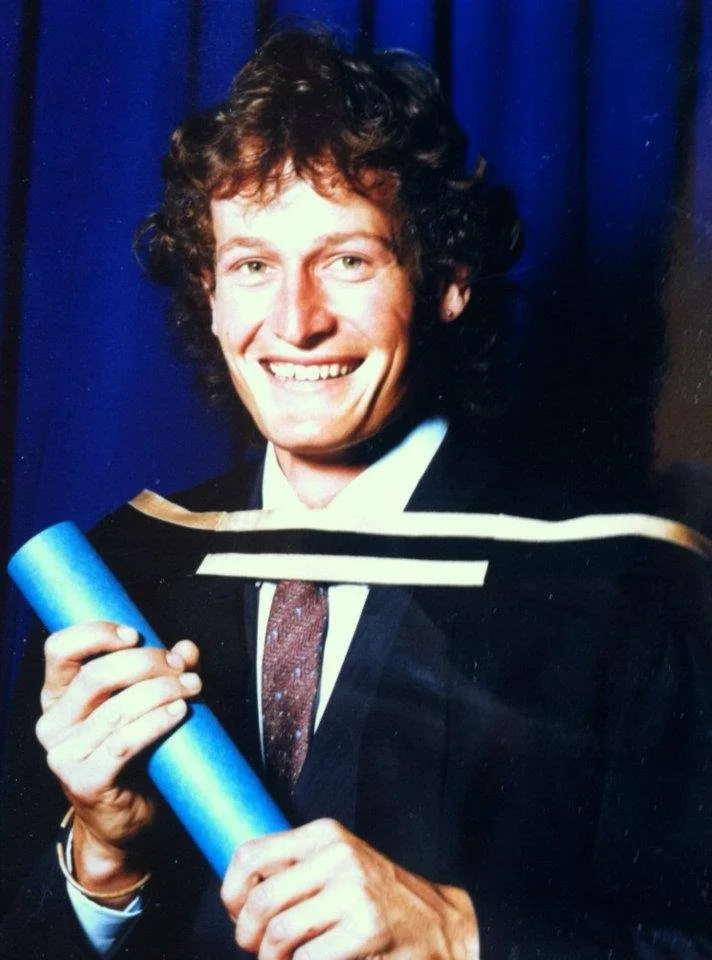
After the service, I studied law at the University of Cape Town, another sanctioned way to fight, though this time with words and reason. When I finished my undergraduate degree, I felt unmoored. I had begun to see the system I was being trained to serve for what it was. I wanted justice, but not in a way that hardened the heart. Could I stay true to myself and still practice law? The question haunted me.
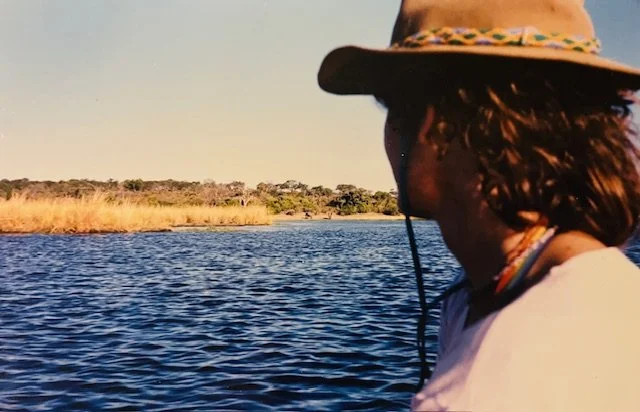
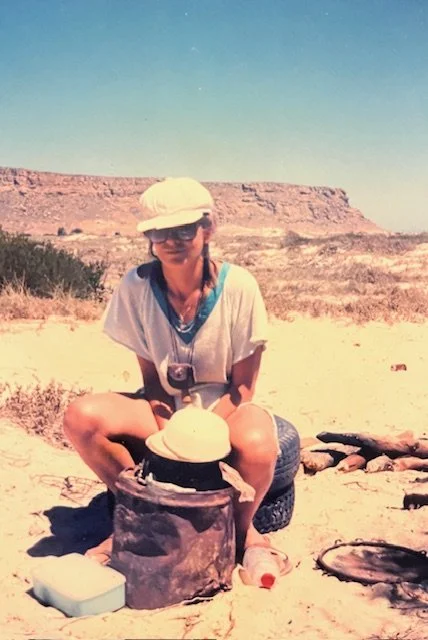
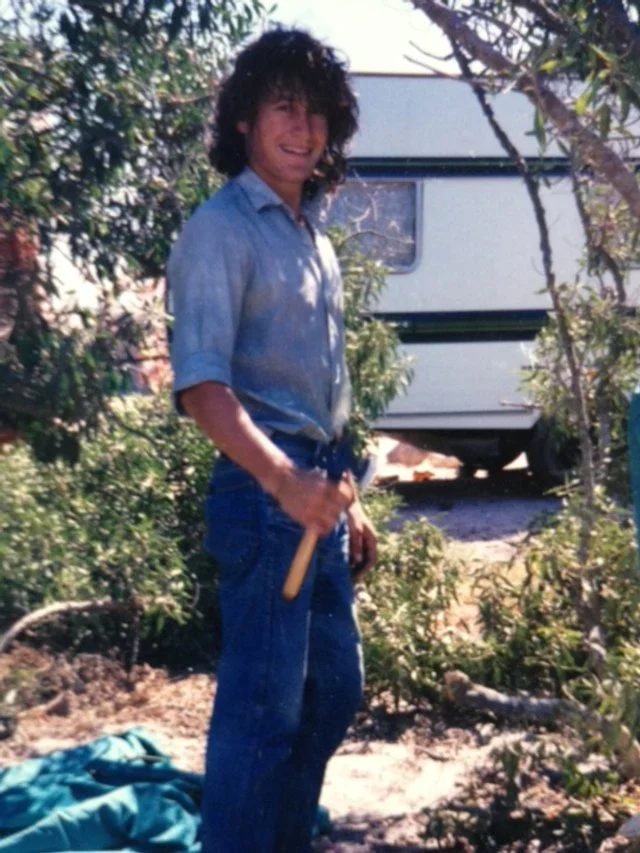
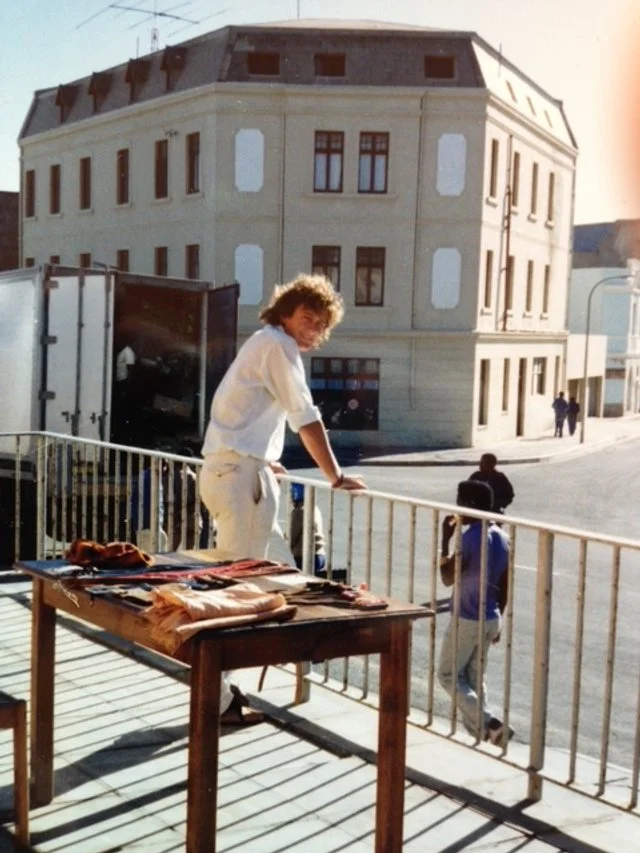
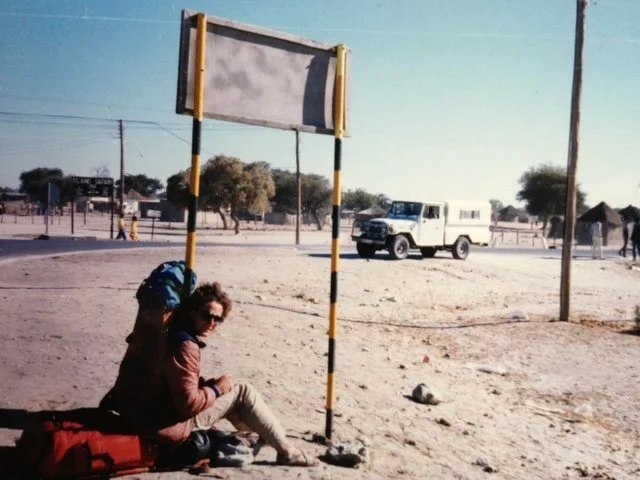
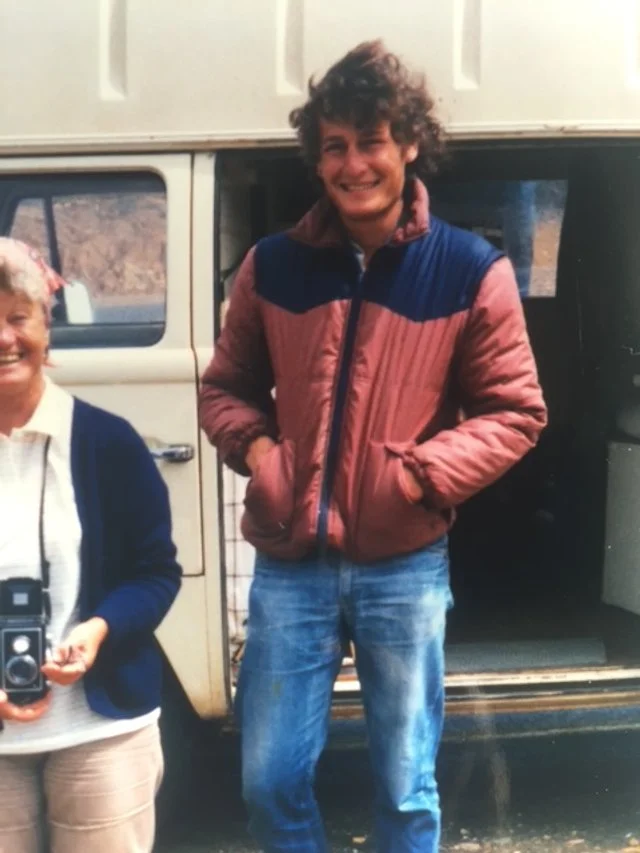
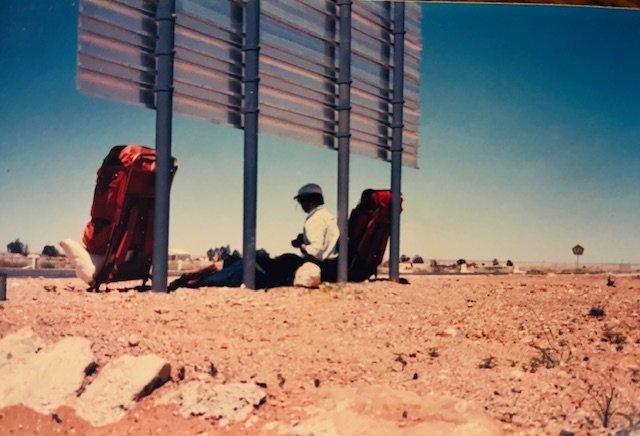
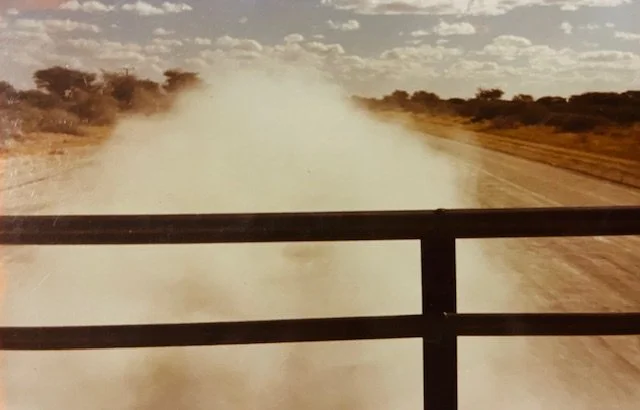
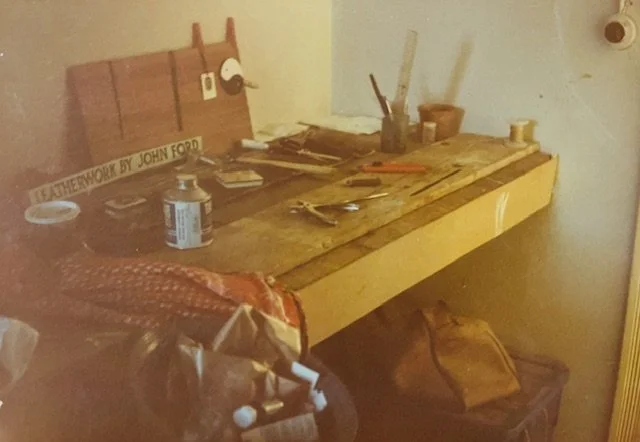
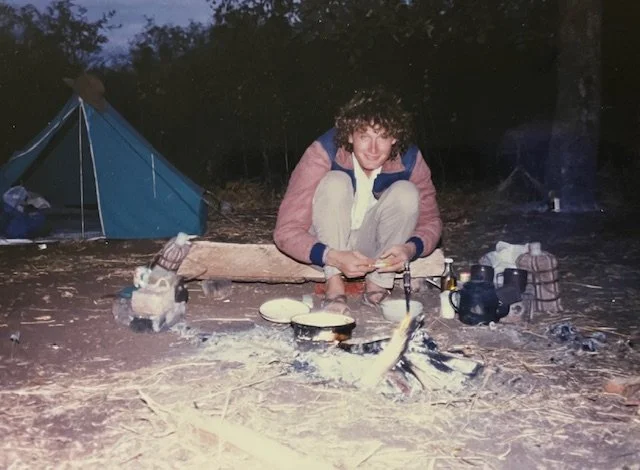
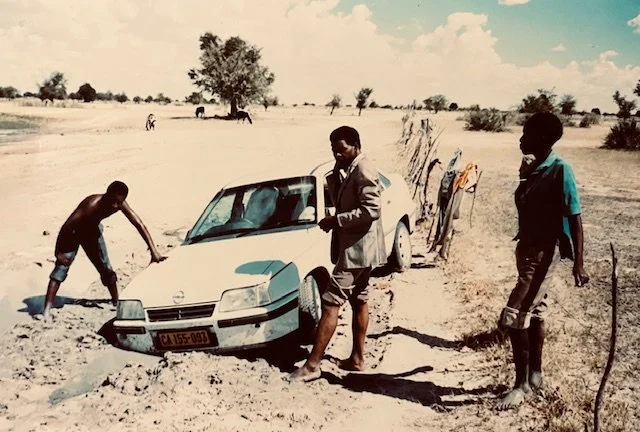
So, in 1985, I left with my girlfriend, Gail. That year, the apartheid government deployed the army in Black townships for the first time, a signal that what had been oppression was now a civil war. We hitchhiked through Southern Africa, making and selling leather goods, sleeping under the stars, learning to read the land. We were searching for something real, something that could reconnect the outer and inner worlds.
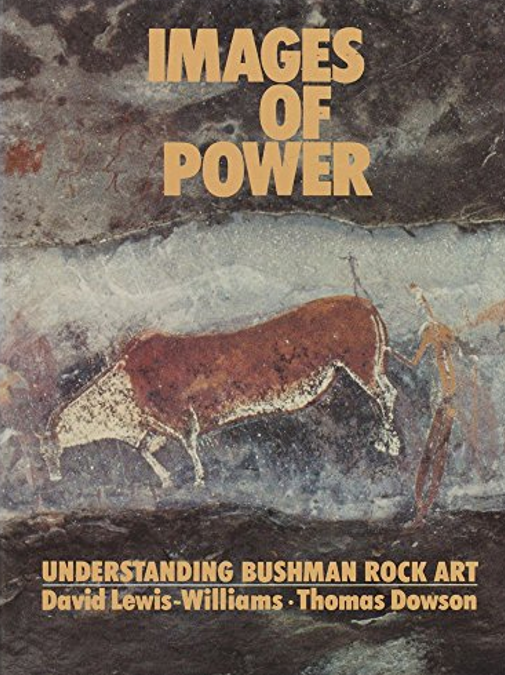
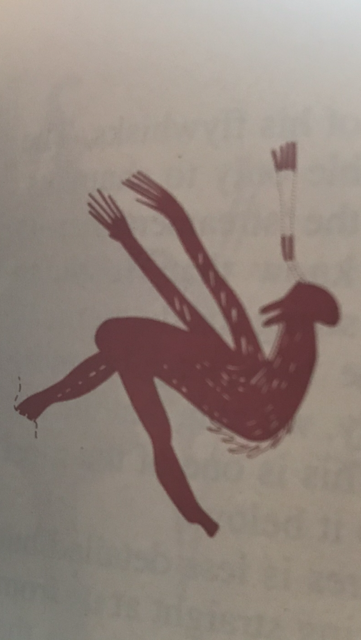
Shortly before we left, I had attended a lecture by anthropologist David Lewis-Williams on the trance theory of San rock art.3 He argued that these ancient paintings were not simple hunting scenes but records of shamanic journeys, maps of inner experience. His words lit something in me. I felt summoned to find the San, not out of curiosity alone, but because they seemed to carry something I had lost, an attunement to life itself.
We traveled through Namibia and Botswana, following that call. But as any tracker learns, the path is rarely straight. A Zulu man told us the San still lived in the Drakensberg mountains. Despite everyone thinking we were crazy, we went searching.
We never found them, but we found a waterfall, and then a rainstorm that stranded us for days. In that enforced stillness, I realized I had to return to university and finish my degree. The lesson was clear: follow your track, don’t abandon it halfway.


The Descent: Alone in the Canyon[1]
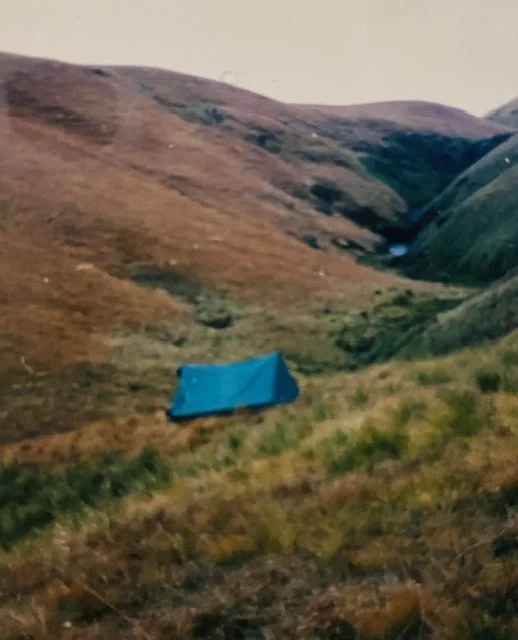
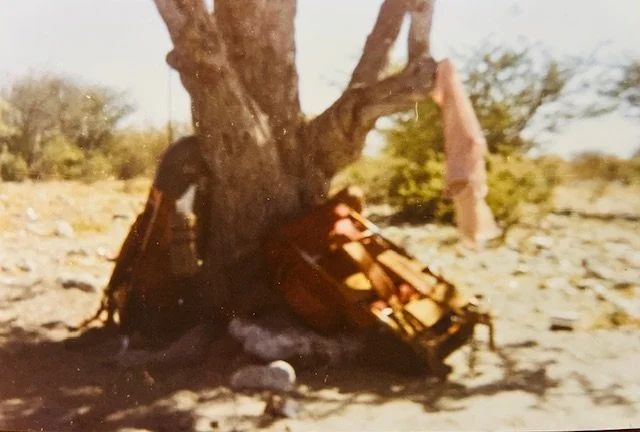
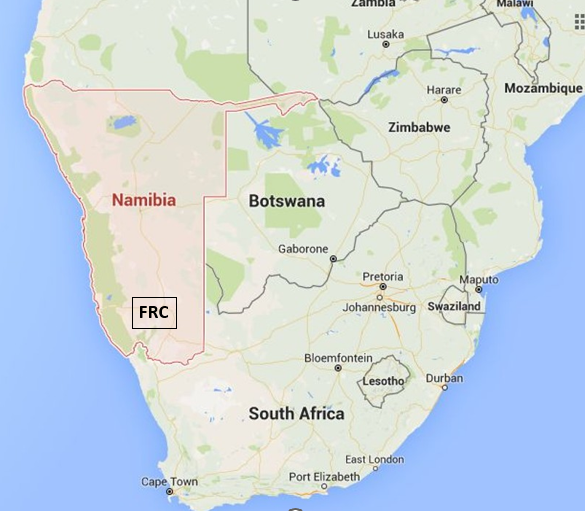
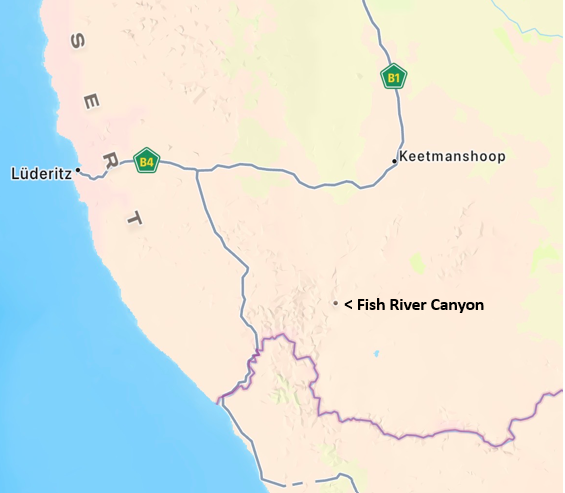
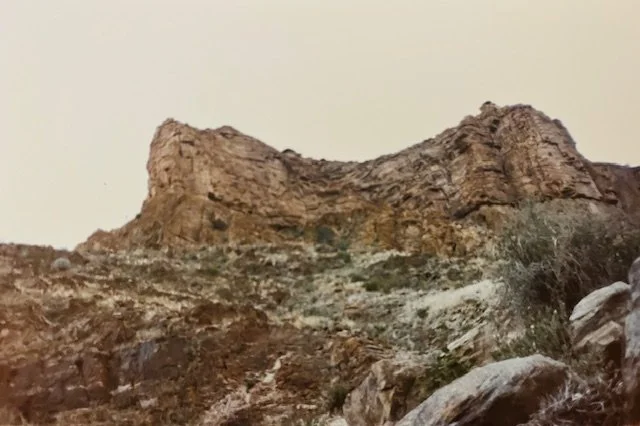
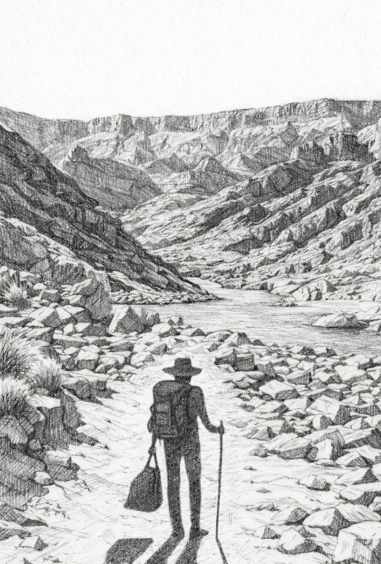
After returning to Cape Town to finish my degree, I hitchhiked up to the Fish River Canyon in Namibia and spent several nights camped alone in its ragged stone valley. I was twenty-four, with only the jib of a sailboat, a single triangle of canvas, for shelter.
The farmer who dropped me at the canyon’s edge mentioned leopards. A casual comment. It found fertile ground. A chill ran down my spine, and though I tried to put it out of my mind, it proved persistent.
By day, I ran beneath the sun, free in the vast silence. But when darkness came, it was absolute. No moon. Pitch black. Only sounds.
I sat by my small fire, every nerve alive. My mind jumped at every noise, interpreting, extrapolating, catastrophizing. The temptation to reach for my flashlight, to know if the threat was real or imagined, was almost unbearable.
I gave in once, swept the beam across the darkness, and saw nothing. But another sound came. And another. I realized the flashlight couldn’t save me from my own mind. I had to stop reaching. So, I resisted.
The minutes stretched long, and beneath the paranoia ran a deeper dread that the night would never pass.
But it did. Each morning, with the first light, something in me lifted. And somewhere in those long hours of darkness, I began to discover the terrain within, that fear, when met with presence rather than flight, could teach me something. The track, I realized, isn’t only out there in the sand. It runs through the mind, the body, the heart.









The Return: The Track Becomes the Practice
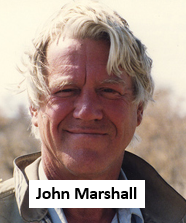
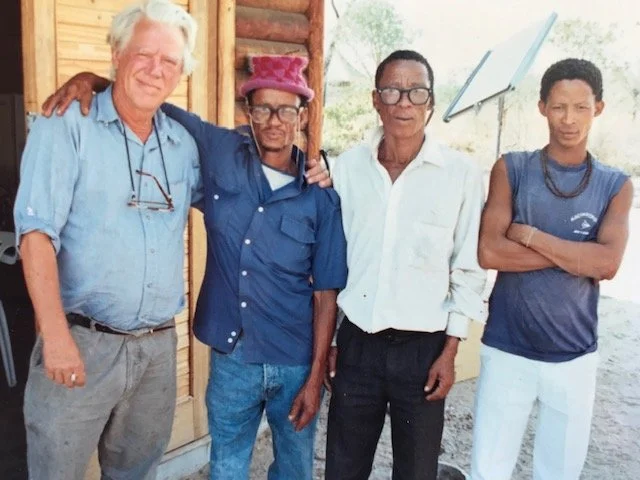
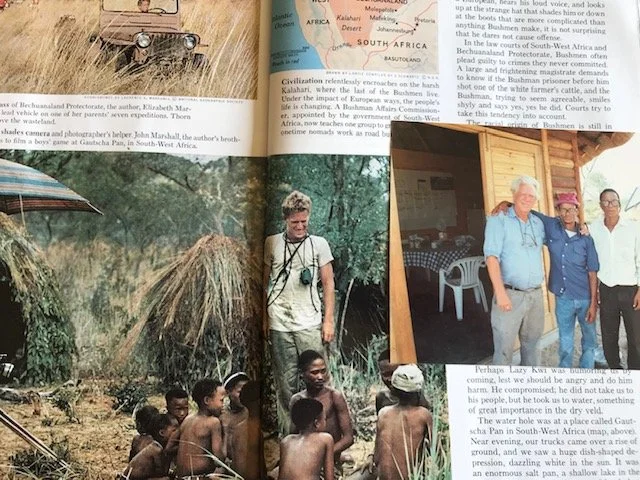
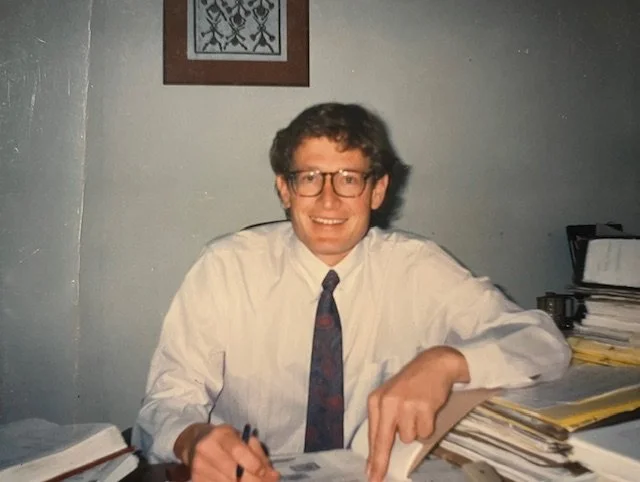
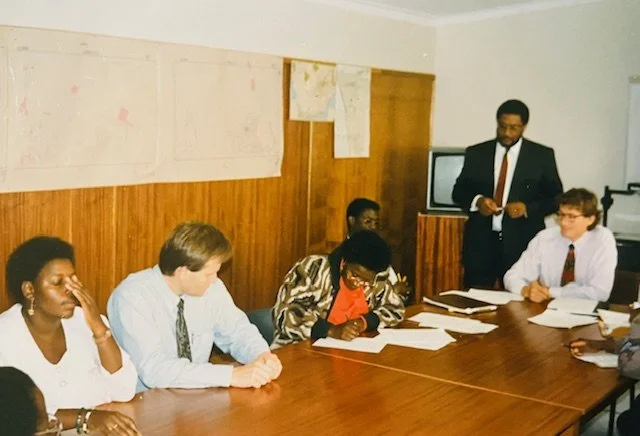
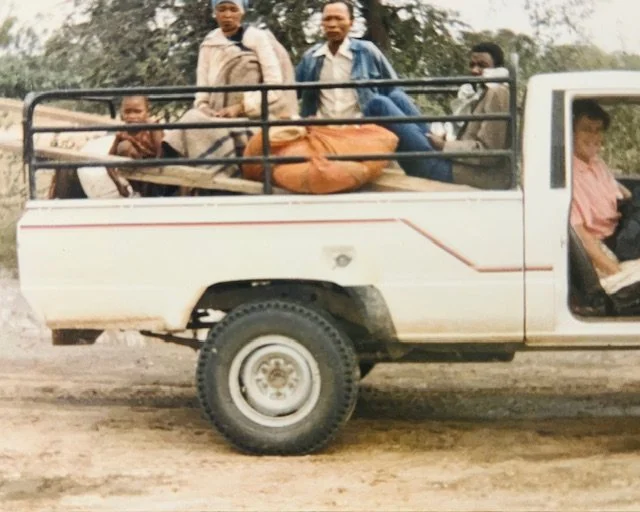
I went on to work for Lorentz and Bone, a Namibian law firm that merged corporate interests with conscience. There, I met John Marshall, an American who had inherited not just wealth, but a mission to support the San people.4 Through him, I began to represent San in court, often on charges like illegal hunting, which ironically criminalized their traditional way of life. Through those cases, I found my way back to them and eventually to that workshop in 1999.
I also noticed that what my clients needed most wasn’t advocacy but understanding. They needed someone who could help them navigate conflict without letting it tear them apart.
At the law firm, I started doing something unconventional. When one spouse came in wanting a divorce without a fight, I knew what would happen. They would leave my office, the other spouse would hire a different attorney, and all hell would break loose. So, I started telling clients, “If you really want to keep this amicable, you’d better bring your spouse with you.”
I had both of them in my office together, husbands and wives sitting across from each other. We discussed, listened, and worked out a private arrangement so that the divorce court could simply rubber-stamp their agreement. I didn’t know it then, but I was mediating. It felt like the resolution to my old dilemma. Here was a way to stand firm in conflict without aggression, to face tension without retreat.
This insight became my middle path, the bridge between fight and flight. It allowed me to stay present to truth and relationship, and to hold both justice and empathy together.
I was still learning. I could help people resolve their conflicts, yet I continued to search for the feelings behind them, for others, and for myself.




The Carpet Cleaner Epiphany
I married in Namibia. My wife had a gift I lacked. She could express her feelings with clarity and conviction, especially when angry. She always seemed to know what she was feeling. I rarely did, at least not in the moment. So, I would retreat. Later, I might recognize that I was unhappy or that something had bothered me, but by then the conversation was over.
A pattern emerged. My wife would advocate strongly for what she wanted, and I would accommodate, then quietly resist. The carpet cleaner incident revealed it perfectly.
After we bought one, my wife wanted to store it in my office cupboard, not the laundry. We debated. She was adamant.
I felt something rising, energy bursting at the seams, wanting to lash out. Fuck you. But I held it in. Like I always did. I was trapped. Pissed. Powerless. No language for what was happening in my body, no way to assert what I wanted without it becoming a war. So, I did what I had learned to do: I accommodated.
“Fine. The cupboard.”
But the resentment didn’t leave. It just went underground.
When our friend borrowed the carpet cleaner and returned it, I saw my opening. Sneaky. Stealth. I put it in the laundry without a word. Didn’t make it a thing. Kept it under my radar and hers. And I caught myself almost smiling. I’m getting even.
But the smile didn’t last. It rubbed against something deeper: my values, my integrity. This wasn’t who I wanted to be.
That was when I saw it clearly. I was being passive-aggressive. And the reason was simple. I didn’t know what I felt, and I didn’t know how to express myself with healthy assertiveness. I was still that fourteen-year-old boy walking home from the cricket field, stomach tight with feelings I couldn’t name.
I kept losing track of my own feelings and how to find my way back. Something had to change.
Each of these moments left a print. What follows is the path I took to finally read them, through mediation, through practice, through trial and error, to find the tools I had been missing since I was three months old, since I was fourteen, since my marriage. I share it not because my journey is unique, but because the destination is universal: a way to track your own emotional terrain and respond to life with clarity instead of reactivity.

Building a Mediation Practice: The Wall I Kept Hitting
After formally training as a mediator upon arriving in the U.S. in 1996, I began mediating employment discrimination cases, first for the Equal Employment Opportunity Commission and later for the United States Postal Service.
The EEOC cases were supposedly about damages, like back pay, lost benefits, economic losses. The attorneys wanted to focus on the numbers. But I noticed something beneath the spreadsheets. People had feelings about the money. A settlement wasn’t just compensation, but acknowledgment that something wrong had happened. The legal framework didn’t make room for that conversation, but the conversation was happening anyway, just beneath the surface.
The USPS cases made the emotional dimension impossible to ignore. “Going postal” was a phrase for a reason.5 These disputes were ostensibly about compensation, but they were really about years of perceived slights, disrespect, and unacknowledged pain. I could feel the charge in the room before anyone spoke.
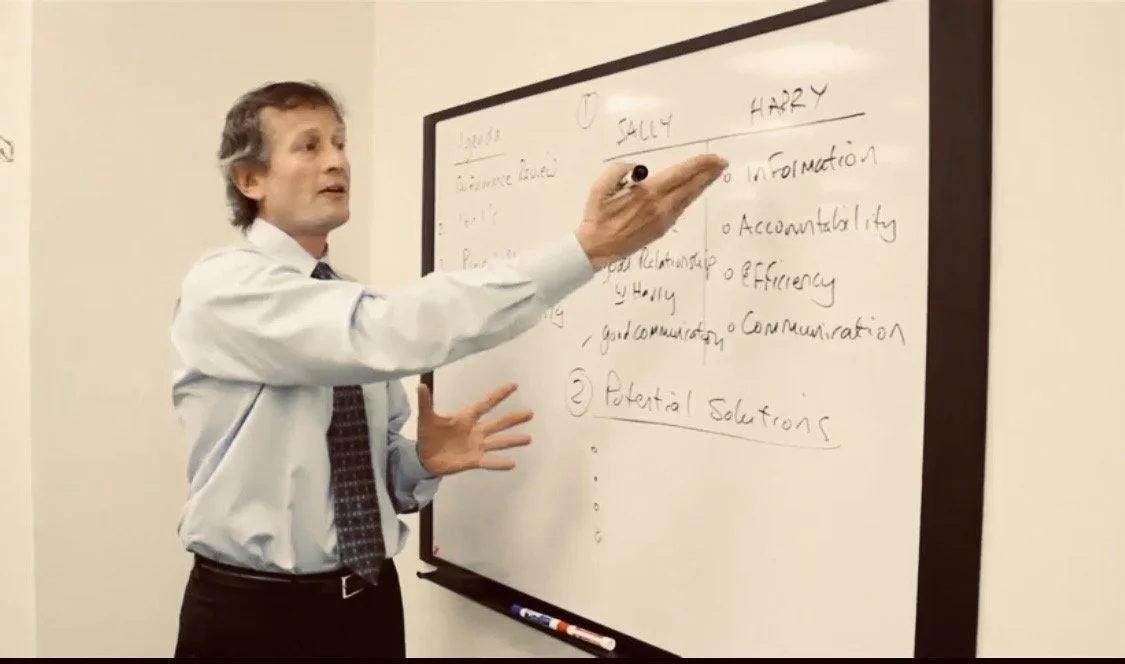
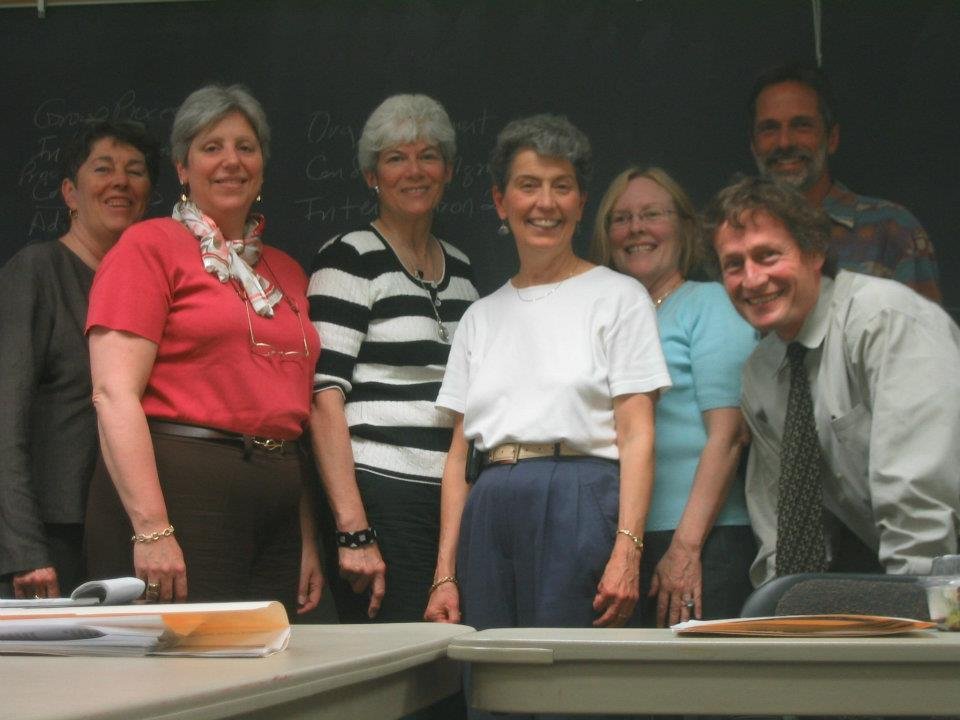
I started teaching conflict resolution at JFK University around 2001, alongside Eileen Barker, a thought leader in forgiveness. We debated whether to include emotions in the curriculum. Back then, the mediation field viewed feelings as obstacles, something to manage so you could get to the real work. I wasn’t so sure.
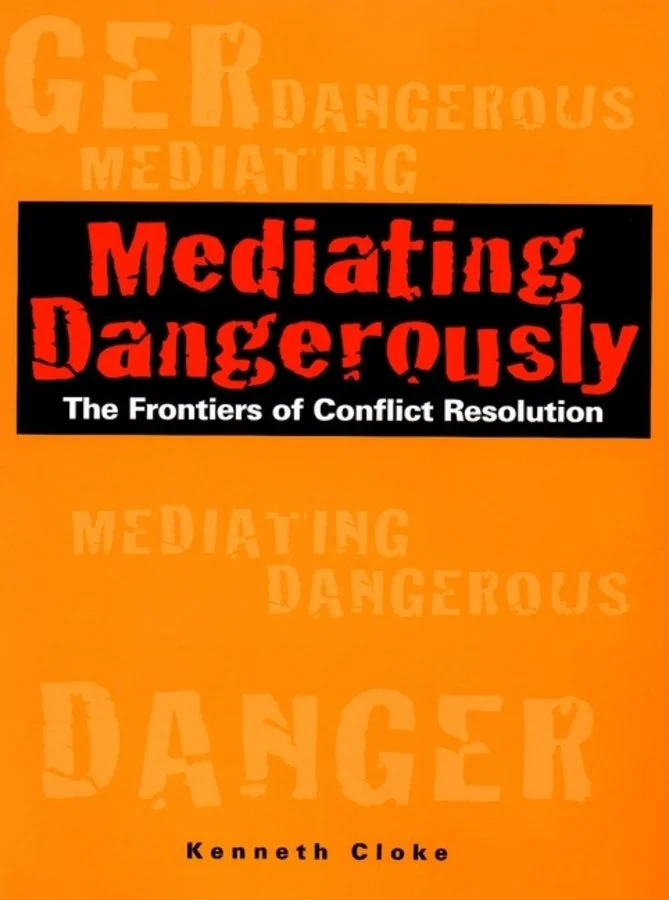
Then I read Ken Cloke’s Mediating Dangerously.6 Cloke suggested that emotions weren’t the problem; avoiding them was. Something settled in me when I read that. I sensed I was on the right track, even if I couldn’t yet articulate why or how to work with emotions in practice.
Over time, my practice evolved. I moved upstream, away from the courthouse, intercepting conflict early through workplace mediations. These weren’t about money. They were about trust, respect, the daily texture of working alongside someone who had hurt you. I also continued divorce mediation, building on my early work in Namibia. Divorce was a curious blend. It was transactional and relational, dividing assets while trying to preserve a co-parenting relationship. Both dimensions required emotional honesty.
And that was where I kept hitting the same wall.
When emotions ran high, when old wounds surfaced, civility broke down. People would shut down or lash out despite their best intentions. I could feel it happening. The room tightening, the air shifting. Something in my own stomach would clench. I was failing them. I had the instinct but not the instrument.
I needed a way to clean out the emotional wound first, so we could then problem-solve and stitch it up with sensible solutions. I was getting better at working with emotions, my clients’ and my own, but I was still missing something. A tool. A bridge.







The Presence Process: Learning to Track Emotion
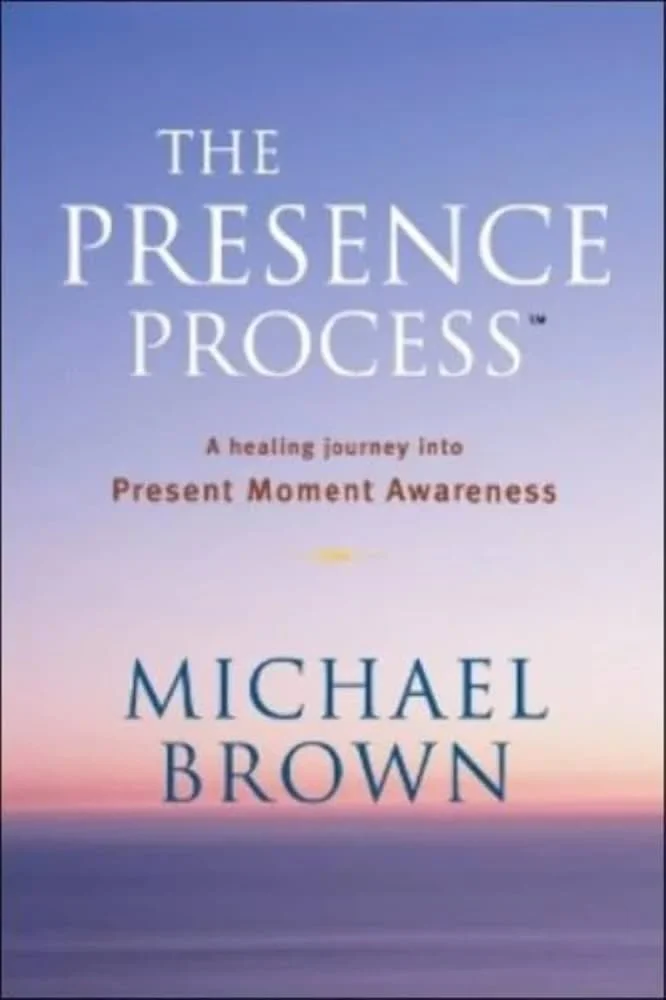
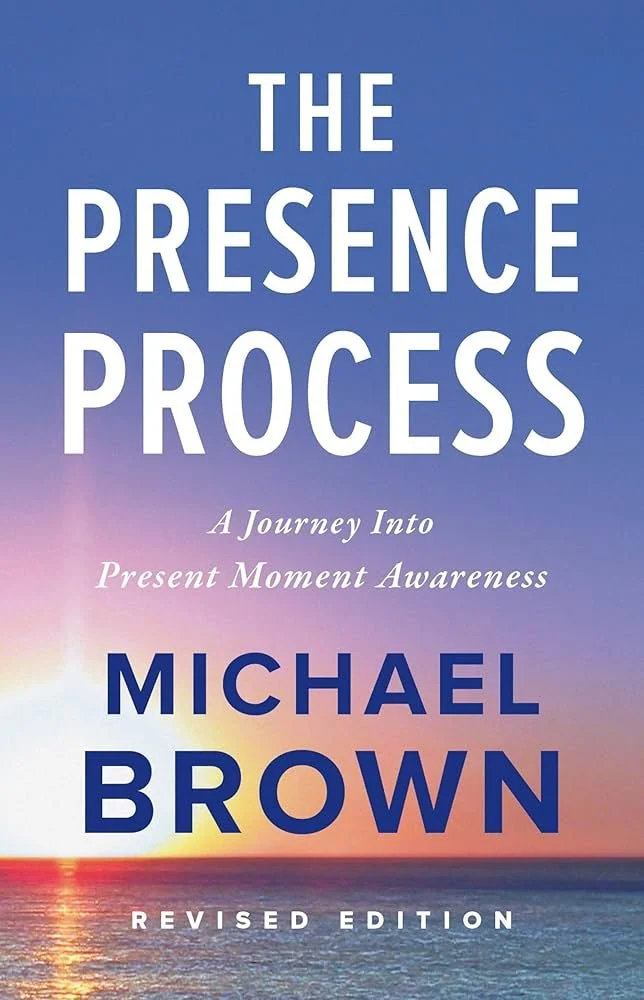
After my divorce in 2005, a friend gave me Michael Brown’s book The Presence Process.7 It offered a ten-week emotional cleansing process, a structured path to integrate emotional energy from the past.
I did it once. Then again. Then a third time. Then a fourth. Each time, I went deeper. Old sensations surfaced, tightness I had carried for decades, grief I didn’t know I was holding. I learned to track them in my body, to follow them back to their origins, to sit with the discomfort until it transformed.
Brown taught me that healing wasn’t about erasing the past, but about including it and integrating it so that no part of me remained exiled or hidden. I was learning to track my inner terrain. The Presence Process gave me a personal practice for integration.
But I still didn’t have the language or tool I needed to help my mediation clients track theirs, especially in the heat of conflict, when old wounds were raw and defenses were high.

The Discovery: The Language of Empathy
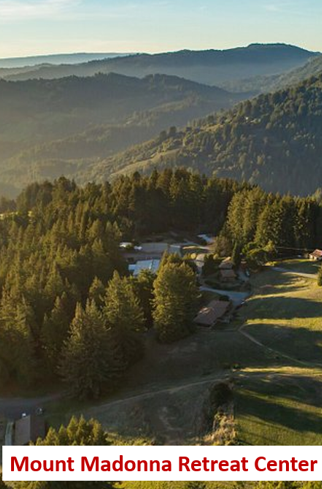
In 2014, I attended a retreat at Mount Madonna in California. There, my friend and colleague, John Kinyon, deepened my understanding of the role that feelings and needs play in empathy and conflict resolution, drawing from Marshall Rosenberg’s Nonviolent Communication framework.8
I had heard of NVC before. I had even used it in my practice. But something shifted at Mount Madonna. I remember the moment, sitting in the room, listening to John speak, and something unlocked in my chest. Not an idea. A recognition. My body understood before my mind caught up.
I realized that this was the language I had been searching for since that day on the field at Kloof High. The feelings and needs that could bridge the silence between the bully and the coward, the fighter and the avoider.
What struck me was the elegant simplicity of Rosenberg’s insight. Empathy isn’t some mystical ability to put oneself in someone else’s shoes. It is concrete. You empathize by discovering and reflecting on what another person is feeling and needing. That is it.
For years, empathy had seemed too abstract. But this was something I could teach, something anyone could practice.
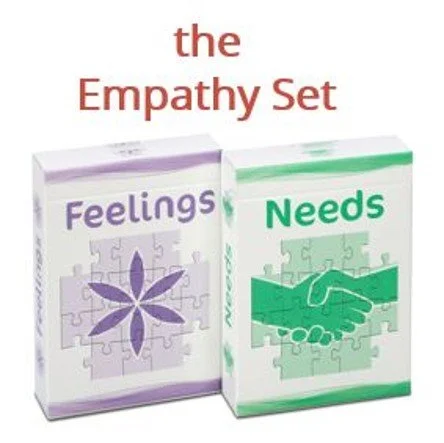
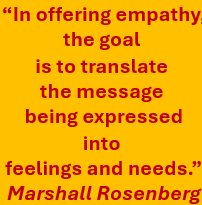
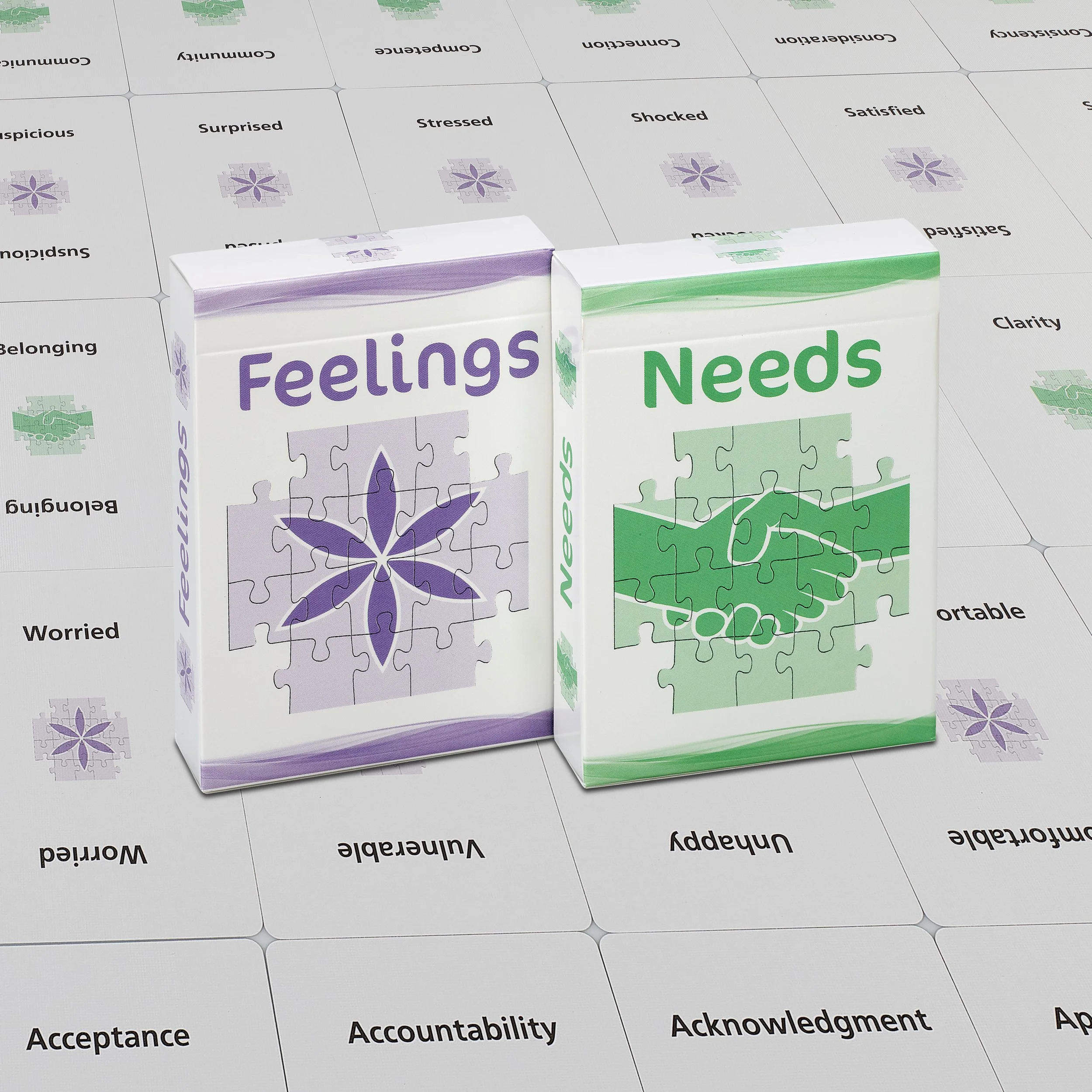
Then John showed me two sets of cards printed with feelings and needs. “Empathy,” he said, “is translating the message into feelings and needs.” I sensed their potential, so I bought a few sets and brought them home.
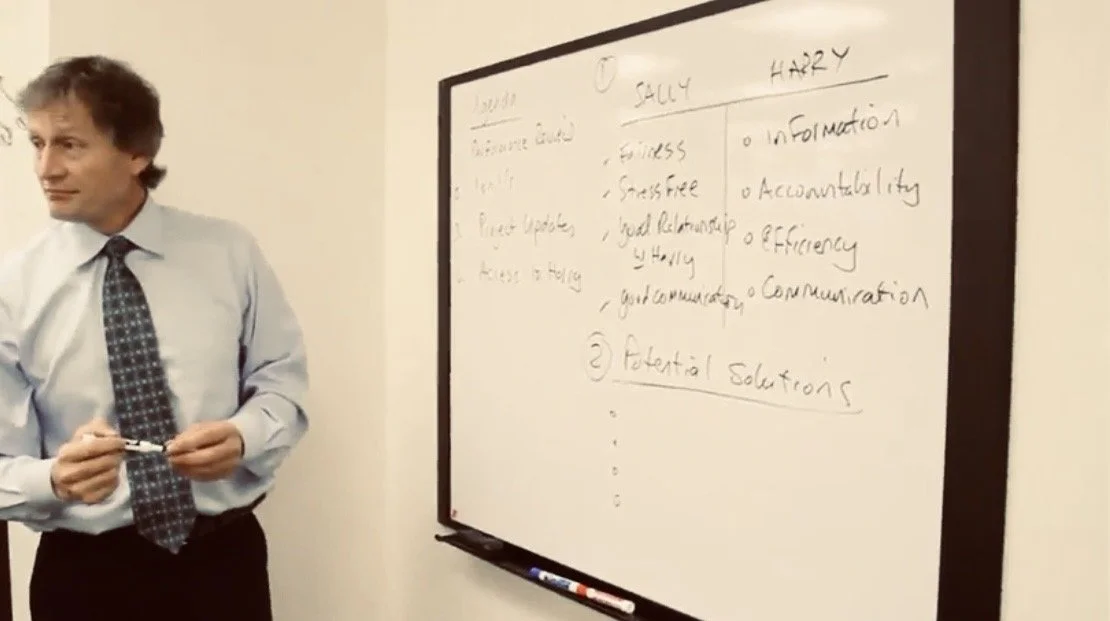
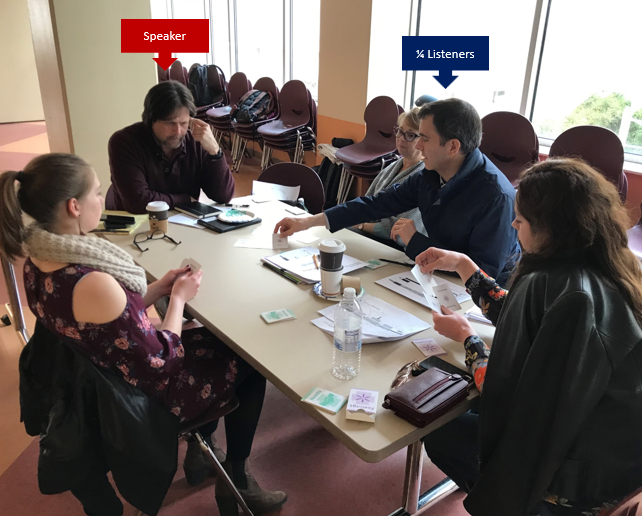
A few weeks later, I was facilitating a customer service training with a sanitary district. As part of a listening exercise, I laid out the cards. Instead of asking people to identify feelings from thin air, I invited them to point to a card that represented what they felt.
It was transformational. The pulling of teeth was over. People could suddenly name what they and others were feeling. The cards worked as prompts. When someone read “shocked,” “hurt,” or “lonely,” they would say, “Yes, that’s exactly it.” The cards gave them both permission and language.


The Climax: Three Mediations That Changed Everything
The real test came when I began applying these insights in the field. Over the next few months, three mediations revealed just how powerful the language of feelings and needs could be.
The first was a finance team at a school district. The tension in the room was thick. Trust had been broken, people were hurting. I sensed the cards would help, but my stomach tightened. This was a mediation rather than a training. Would it seem unprofessional? Gimmicky?
I approached the HR director, a former therapist, and asked about her thoughts. “When you’re talking with kids about difficult feelings,” she said, “you give them an object of distraction. It helps them access what they’re feeling without being overwhelmed.”
I tried it. It worked. People discussed their experiences without attacking one another. They acknowledged pain, spoke truth, and still saw each other’s humanity.
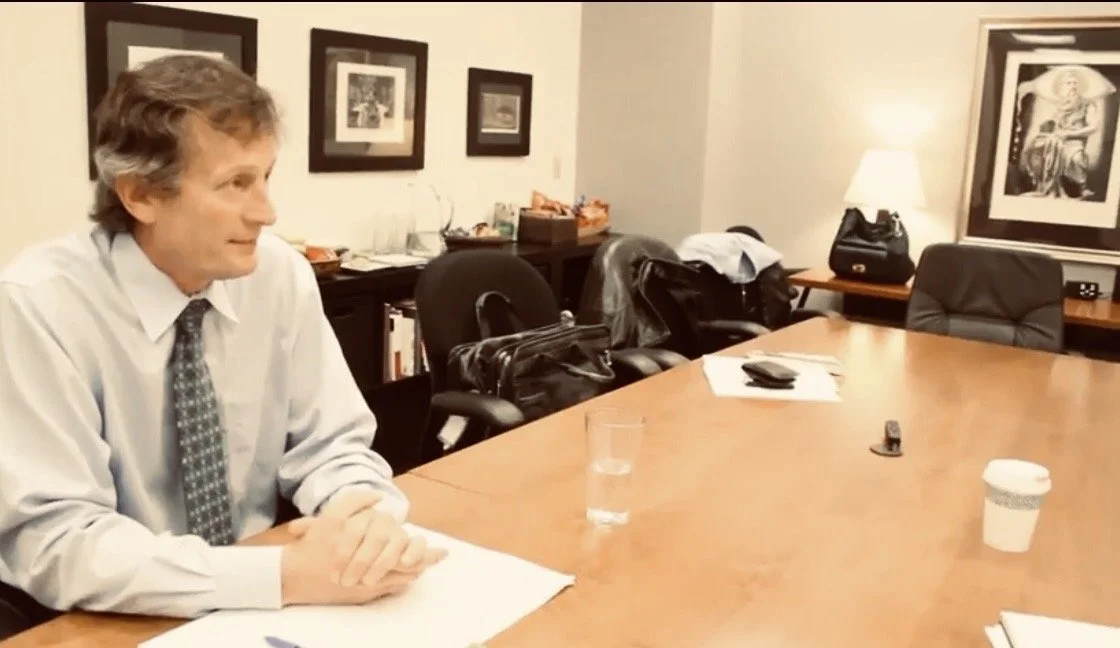
Shortly after, a Fortune 500 company hired me to mediate conflict within its legal department, the general counsel and eight attorneys overseeing 170 lawyers. I walked in with my stomach in knots. These were brilliant people who wielded language as a weapon. Who was I to ask them to point at a card and name what they felt?
I used the cards anyway. Some cried. A general counsel pointed to a card and said quietly, “This. I feel this.” Something in my own chest released. The cards had done what I couldn’t do alone.
After those two experiences, I returned to the sanitary district where I had first used the cards in a training. This time, I used them in a full-scale conflict resolution process. The results were consistent and undeniably profound.
I have used the cards in every mediation since then. They revolutionized my practice and became the foundation of a unique model for mediating relational workplace disputes. But more than that, they gave me what I had been searching for since I was three months old, since I was fourteen, since my divorce. It was a language for the inner terrain, a way to track not just my own emotions, but to help others track theirs.

The Track Within
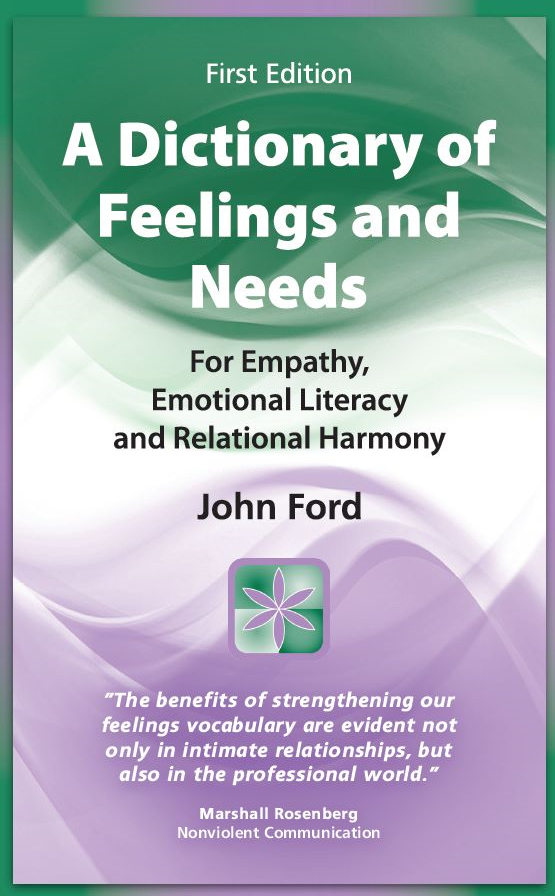
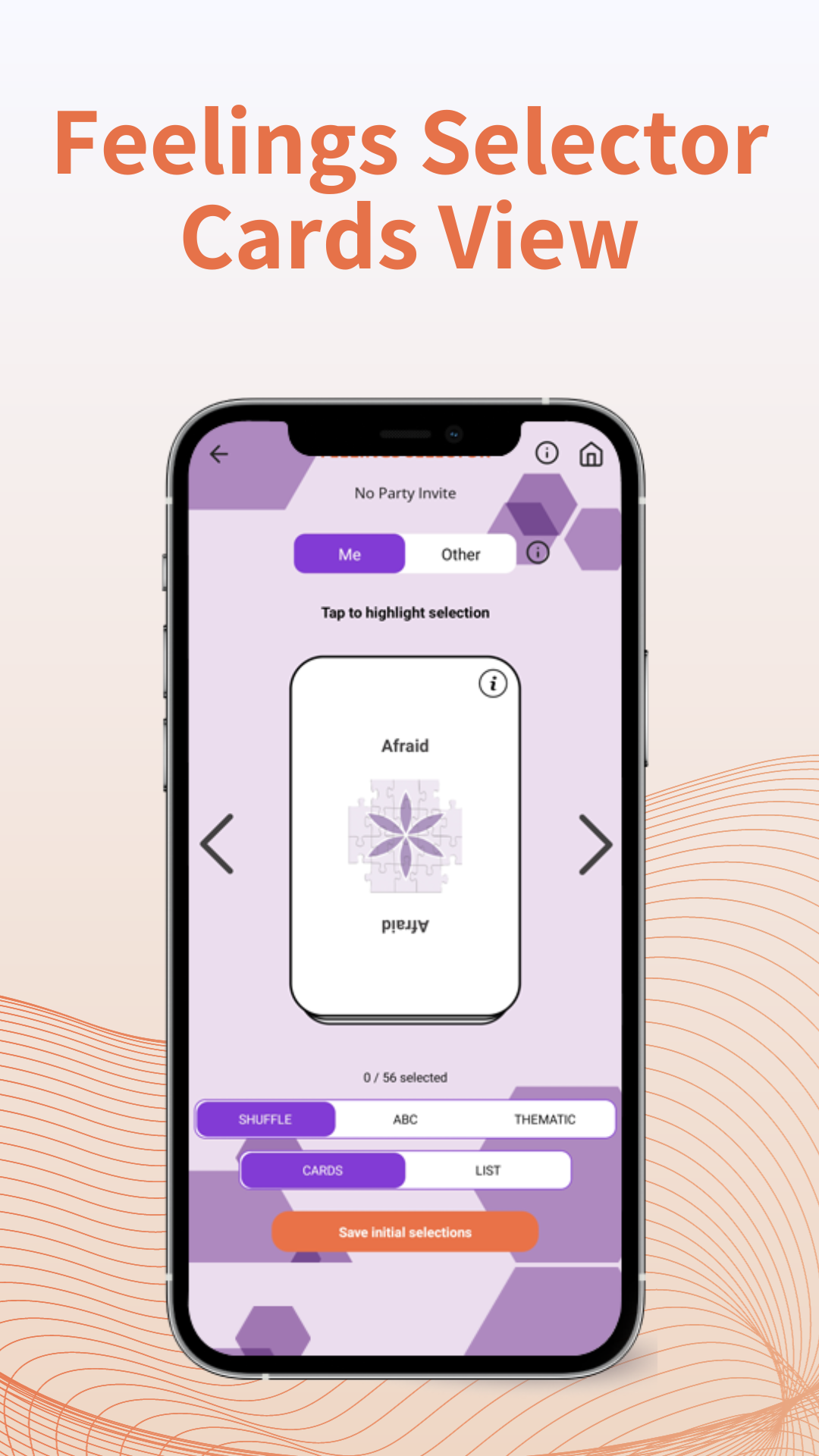
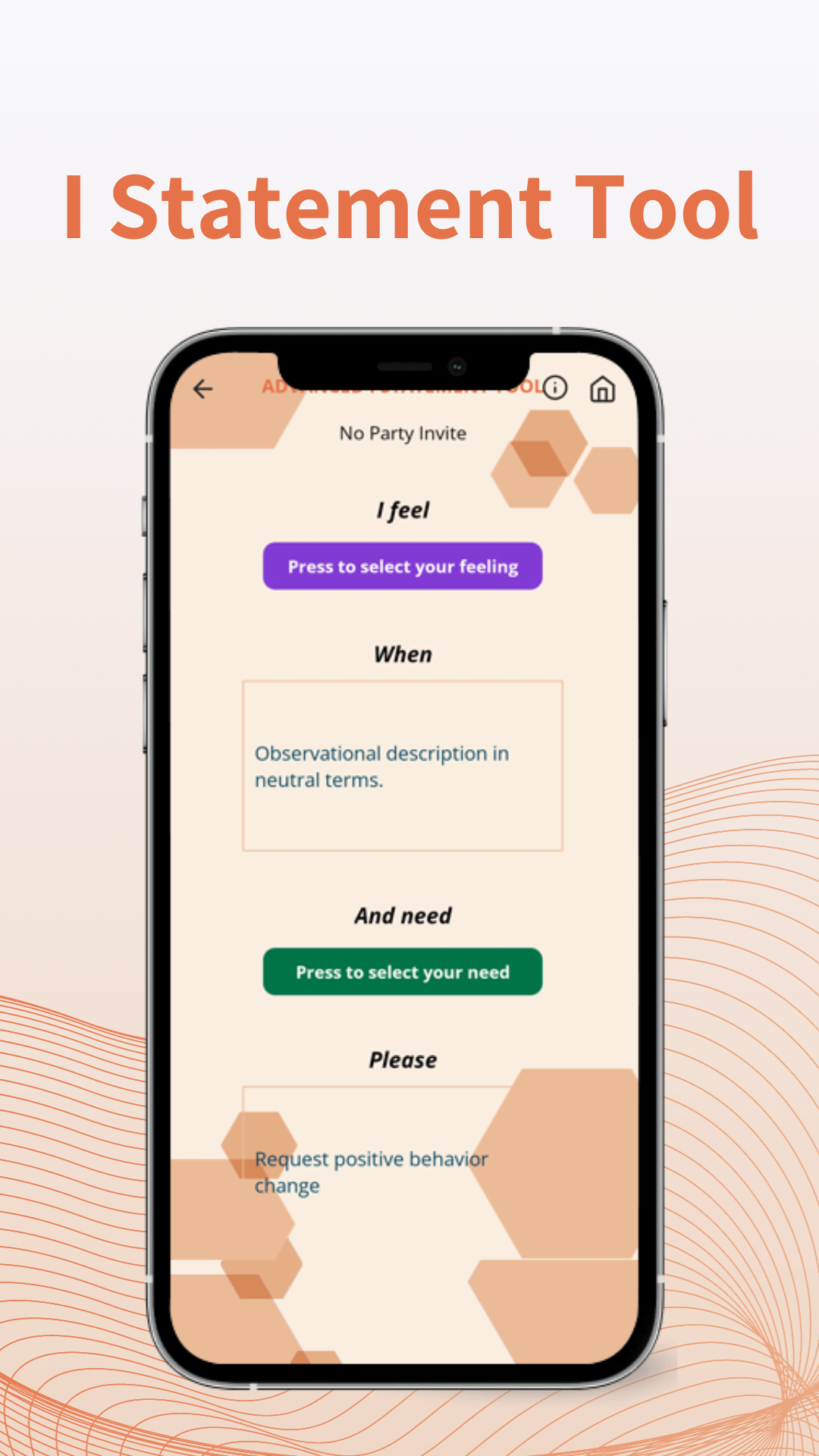
From that seed grew The Empathy Set, a tool I created to help people identify and name what they feel and need, especially in the heat of conflict. Over time, it evolved into a mobile app and eventually A Dictionary of Feelings and Needs. These were never just tools for work. They were the tracks back to connection. Each feeling, each need, was a footprint leading home.
This book is the next step on that path.
From the courtroom to the canyon, from law to mediation, one thread has remained constant: learning to listen to my own feelings and needs, to others’, and to the intelligence beneath every trigger.
The bully-and-coward dilemma was never just mine; it is a human one. Every time we lash out or shut down, we protect something tender inside. The path forward lies in tracking that tenderness with awareness, patience, and care.
Your triggers are not signs of weakness, but invitations to return to yourself, to the steady, wise center that can meet life with clarity, courage, and compassion.
You won’t do it perfectly. Neither do trackers. But if you stay with the prints, each sensation, each emotion, each memory, you’ll find your way back to the truth of your own presence.
The track within is alive. The next impression is already waiting.