About the Book
Tracking Triggers: From Reactivity to Responsiveness is a book and learning initiative created by John Ford, a workplace mediator, educator, and author of Peace at Work: The HR Manager’s Guide to Workplace Mediation.
Launching Spring 2026, the book offers a practical approach to recognizing triggers and the triggered states that follow, building self-awareness and emotional resilience, and choosing conscious response over reactivity.
Why Tracking Matters
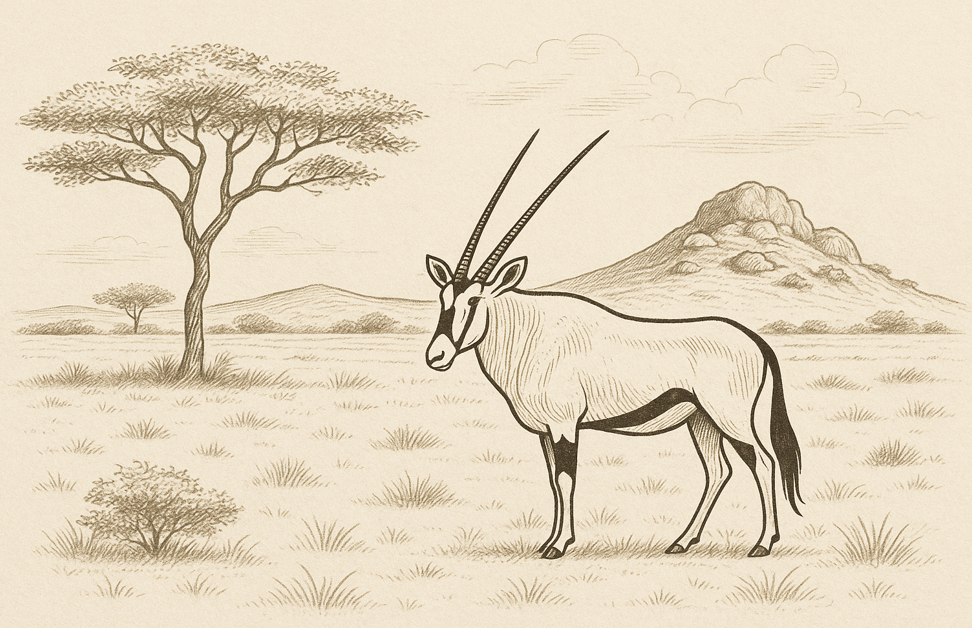
In the African bush, a tracker doesn't chase the lion. They follow faint signs: a bent blade of grass, a mark in the dust, a change in the air.
This book takes the same approach to triggers and the triggered states they activate. Being triggered isn't a flaw to suppress. It's a sacred signal, a track leading to wholeness. My journey from South Africa to the U.S., from law to mediation to empathy, taught me that what triggers us can teach us, if we are willing to track it.
We live in a time when stress, disconnection, and unprocessed emotion ripple through our relationships, workplaces, and communities. Left unexamined, being triggered:
Hijack our nervous system and close down curiosity
Strains our most important relationships
Keep us locked in repeating patterns of hurt and misunderstanding
The thesis of this book is simple:
Your triggered states are not signs of weakness. They are invitations to return to your true self, the steady, wise center that can meet life with clarity, courage, and compassion.
This is an invitation to walk a different path, one that asks you to follow your reactivity rather than fight it. You don't have to chase down the answers. You only have to stay with the track in front of you.
“I don’t know where we’re going, but I know exactly how to get there!”
Contents
This book follows the track of a trigger, from the first bodily signal to the choices that shape our relationships and lives:
Introduction
What is a Trigger: The Track Within
The Three-Part Trigger: How Reactions Take Root
Recognition and Regulation: Returning to Center
The Stories We Tell: Tracking Thoughts and Feelings
Feelings and Needs: Where Storied Feelings Point
Feel and Act Anew: The Work of Integration
The Trackers Compass: Feelings, Needs, and Values as Guides for Conscious Action
Choosing Your Path: From Survival Reaction to Conscious Response
Listening and Empathy: Tracking the Trail of Another's Experience
Expression as Assertion: Speaking Your Truth with Courage, Clarity, and Compassion
The Three Paths: Justice, Forgiveness, and Reconciliation
Conclusion: Becoming the Tracker of Your Own Life
Endnotes
Appendix

Author’s Note
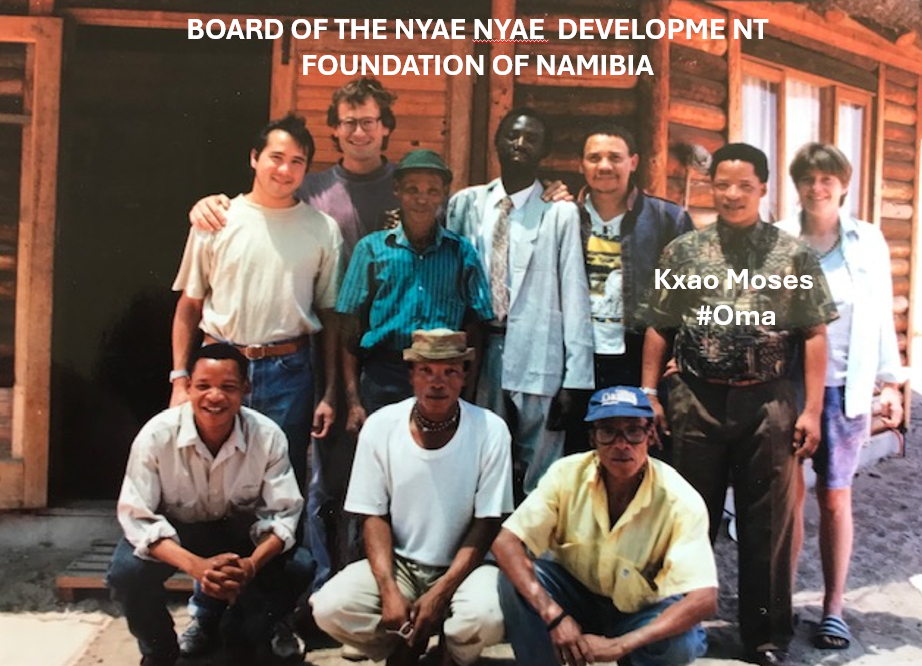
The tracking metaphor at the heart of this book owes its deepest debt to the San peoples of southern Africa, among the oldest continuous cultures on Earth, and to the trackers whose extraordinary skills represent tens of thousands of years of accumulated wisdom. I did not encounter this tradition from a distance. I lived and practiced law in Namibia, represented San communities through the law firm Lorentz and Bone, and served as chairperson of the Nyae Nyae Development Foundation, which supported the Ju/'hoansi San in their efforts to maintain their land rights and way of life.
When I left Namibia in 1995, Kxao Moses #Oma wrote on behalf of the Nyae Nyae Farmers Co-operative. His words stayed with me: "I cannot speak too highly of John and his belief in and support for community development at the pace and direction decided upon by the community themselves." That remains among the most meaningful things anyone has ever said about my work.
The San's tracking traditions are not mine to claim. What I offer here is what that encounter opened in me, a recognition that the skills of reading signs, staying present, and following a trail apply as much to our inner emotional terrain as to the Kalahari. I use this metaphor with gratitude and humility, aware that indigenous knowledge systems have long been extracted without acknowledgment or reciprocity.
The San communities of southern Africa continue to face threats to their land, culture, and survival. Readers who wish to learn more or offer support can visit the Kalahari Peoples Fund (https://www.kalaharipeoples.org/) or the Nyae Nyae Development Foundation of Namibia (https://www.nndfn.org/).
Before You Begin
The path this book offers is designed for everyday triggers, the developmental wounds most of us carry from childhood, relationships, and the ordinary frictions of being human. It offers a path for tracking these experiences with awareness and self-compassion.
Some of us carry more. If your history includes complex trauma, if self-regulation feels impossible rather than difficult, this book may still offer something useful. But consider it a companion alongside professional support, not a replacement. Some terrain requires a guide who can walk it with you.
A Note on Privacy
The stories in this book are real, but I've changed names and identifying details to protect privacy. My family members who appear in these pages have read and approved what I've written. My mother, father, and stepfather have all passed.